
Last Updated on 2 months ago by Admin
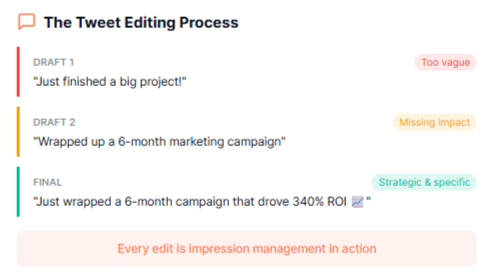
If you’ve ever edited a tweet three times before posting, you’ve already practiced impression management.
We all do it. You tweak your LinkedIn headline, rehearse what you will say in a job interview, and change how you speak depending on who is in the room.
That is not being fake. That is impression management. When you understand it, you can turn it into a real strategy instead of a random habit. It also plays a major role in Google reputation management, where small signals shape how people see you online.
What Is Impression Management?
Impression management is the act of shaping how others see you or your business.
Think of it as self-presentation with intention.
Every time you choose a profile photo, respond to a review, or post on social media, you are sending signals. Impression management is about making those signals consistent and aligned with how you want to be known.
This is especially important in industries like healthcare SEO or senior living reputation management, where trust directly affects decisions.
The Foundation: Erving Goffman’s Theory
Before personal branding became popular, sociologist Erving Goffman explained how people present themselves in everyday life.
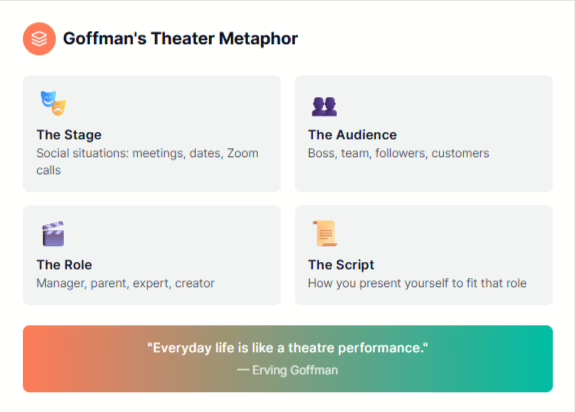
He described life as a performance:
- There is a stage such as meetings, interviews, or social media
- There is an audience like coworkers, clients, or followers
- There is a role you play depending on the situation
You naturally adjust based on the environment. That is not a flaw. It is a skill.
The real question is not whether you manage impressions. It is whether you do it with awareness.
Why Impression Management Matters Today
Your reputation is built in real time.
People search your name before they hire you. They read reviews before they buy. They check your LinkedIn before they trust you.
That is why tools like Google News alerts are important. They help you monitor what is being said about you before it spreads.
At the same time, one mistake can grow if it gets attention. This is known as the Streisand Effect, where trying to hide something actually makes it more visible.
Managing impressions today means balancing visibility, control, and timing.
Core Impression Management Techniques

1. Conformity
You adjust to match a group. This helps you fit in, especially in professional environments.
2. Strategic Self-Promotion
You highlight your wins. For example, sharing results, case studies, or achievements.
This is key when you optimize your LinkedIn profile or build a professional brand.
3. Association
You connect with trusted brands, clients, or networks. This builds credibility faster.
4. Reputation Defense
You respond to negative reviews or content calmly. This protects trust.
This is especially important for platforms like Indeed reviews or Google ratings.
5. Consistency
You show up the same way across platforms. This builds recognition and trust.
How It Shows Up Online
Most impression management today happens online.
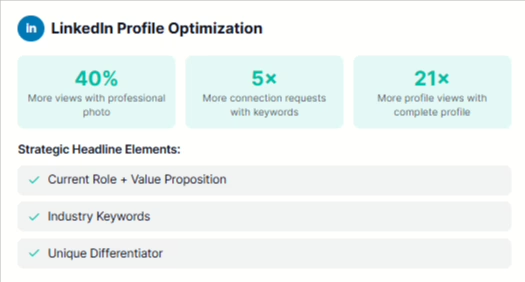
Your digital presence includes:
- Your LinkedIn profile
- Your website or portfolio
- Your reviews and ratings
- Your social media content
For example, a strong personal site using ideas from portfolio website examples can rank high in search results and shape first impressions fast.
At the same time, ratings like those in a Google seller ratings guide can directly impact conversions.
Why People Manage Impressions
It comes down to a few core drivers:
- Trust and credibility
- Career opportunities
- Business growth
- Social acceptance
Even top brands focus on this. Lists like the world’s most admired companies show how reputation and perception drive long term success.
Where It Goes Wrong
Impression management can backfire when it becomes manipulation.
This happens when:
- People exaggerate or lie
- Companies hide real issues
- Messaging feels inconsistent
Trust breaks when perception and reality do not match.
That is why ethical use matters. The goal is not to fake an image. It is to present your best and most accurate self.
How to Use Impression Management the Right Way
Start with clarity.
- Decide how you want to be known
- Review what shows up online
- Close the gap between perception and reality
Then take action:
- Improve your profiles
- Publish helpful content
- Respond to reviews
- Monitor your name regularly
Over time, this builds a reputation that feels both strong and real.
Final Thoughts
You are already managing impressions every day.
The difference is whether you are doing it by accident or with intent.
When you combine awareness, consistency, and ethical strategy, you take control of how people see you.
That is what modern reputation management is all about.
Want to take control of your online reputation? NewReputation helps individuals and businesses build trust, improve visibility, and protect their digital presence.