LinkedIn is often described as a professional networking site.
At the same time, people regularly say, “LinkedIn isn’t really social media.”
So which is correct?
Is LinkedIn considered social media?
Yes. LinkedIn is widely considered a social media platform.
But it is a specialized one, built around professional identity rather than entertainment or casual interaction.
That distinction matters, especially if you use LinkedIn for visibility, hiring, personal branding, or reputation management.
This guide explains why LinkedIn qualifies as social media, why it feels different, and how it has evolved into a hybrid platform that blends networking with modern social media behavior.
Key Takeaways
- LinkedIn is considered social media, but with a professional purpose
- It uses the same core mechanics as other social platforms
- Real identities create higher accountability and trust
- LinkedIn now supports content creation and personal branding
- It functions as a hybrid of networking and social media
What Actually Defines Social Media
Social media is not defined by tone or subject matter. It is defined by structure.
Platforms generally fall into the social media category when they allow users to create profiles, connect with others, share content publicly or semi-publicly, interact through comments or messages, and consume content through an algorithmic feed.
By that definition, LinkedIn qualifies without debate.
Why LinkedIn Is Social Media
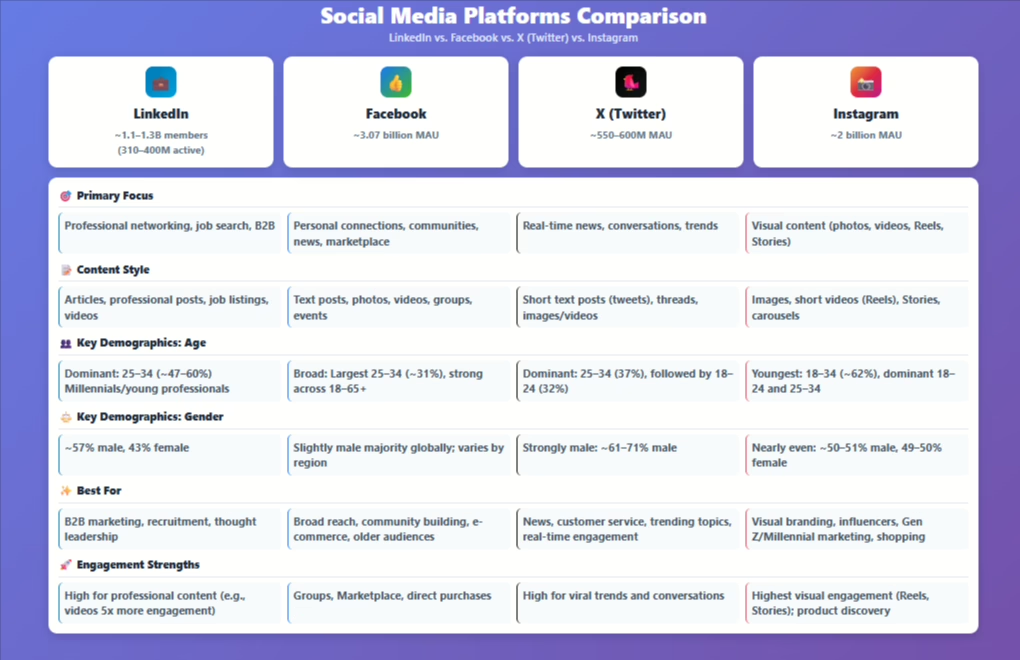
At a functional level, LinkedIn operates like other major social platforms.
Users create profiles that represent their identity. They connect with other users. They publish content. That content is distributed through an algorithm. Engagement determines reach.
Those mechanics are the same ones used by platforms like Facebook or X.
The difference is not how LinkedIn works.
The difference is why people are there.
Profiles, Connections, and Feeds
LinkedIn profiles function as public-facing digital identities. They include work history, education, skills, and achievements. Users connect with colleagues, clients, recruiters, and industry peers to build a network.
Once connected, users see content in an algorithmically curated feed. Posts that receive engagement behave the same way they do on other social platforms. They are amplified. Low-performing posts fade.
This is social media behavior, even if the content is professional.
Content Sharing Has Changed LinkedIn
LinkedIn used to be mostly static.
Today, it is content-driven.
Users regularly share opinions, long-form posts, videos, carousels, and career updates. Discussions happen in comment threads. Posts go viral. Thought leaders build followings.
These are not résumé features. They are social features.
The rise of creator tools and analytics on LinkedIn further confirms its role as a social platform.
Algorithms Drive Visibility
One of the strongest indicators that LinkedIn is social media is its algorithm.
Content visibility is determined by engagement signals, relevance, and network proximity. Users do not see everything from everyone they follow. They see what the platform believes will keep them engaged.
That algorithmic distribution is a defining characteristic of social media.
Why LinkedIn Feels Different
If LinkedIn looks and behaves like social media, why does it feel different?
Because context shapes behavior.
LinkedIn is built around careers, not entertainment.
Professional Purpose Comes First
LinkedIn’s primary goals remain professional. People use it to find jobs, hire talent, build credibility, grow businesses, and stay visible within their industry.
That focus naturally changes how users present themselves and how they interact.
The platform encourages polish, restraint, and value-driven content rather than impulsive posting.
Real Identity Creates Accountability
Another major difference is identity.
LinkedIn profiles are tied to real names, real companies, and real careers. Employers, coworkers, and clients are part of the audience.
That creates accountability.
As a result, LinkedIn tends to have less anonymity, less trolling, and fewer reckless posts compared to other social platforms. Reputation is always at stake.
LinkedIn and Personal Branding
LinkedIn has evolved far beyond job searching.
It is now one of the most important platforms for personal branding.
Executives, founders, job seekers, and professionals use LinkedIn to shape how they are perceived. Posts influence hiring decisions, speaking opportunities, partnerships, and trust.
This shift toward visibility and influence is another reason LinkedIn firmly belongs in the social media category.
A True Hybrid Platform
The most accurate way to describe LinkedIn is not “just social media” or “just networking.”
It is both.
LinkedIn blends traditional professional networking with modern social media mechanics. That hybrid nature is what makes it powerful and, at times, confusing.
Understanding the dual role helps users avoid two common mistakes: treating LinkedIn as a static résumé or as a casual entertainment platform.
Why This Matters
Whether LinkedIn is considered social media is not just a semantic question.
It affects how you use the platform.
If you ignore its social nature, you miss reach and opportunity.
If you ignore its professional context, you risk credibility.
The most effective LinkedIn users understand that balance.
The Bottom Line
Yes, LinkedIn is considered social media.
It uses the same foundational structures as other social platforms while maintaining a professional focus that encourages accountability and trust.
That combination makes LinkedIn a unique hybrid and one of the most influential platforms for professional visibility today.
If you approach it with that understanding, LinkedIn becomes more than a networking tool. It becomes a strategic social platform for long-term reputation and growth.