Last Updated on 5 months ago by Admin
Every action you take online leaves a trace. From social media posts to simple website visits, these traces form what is known as your digital footprint. Many people underestimate how much information about them exists online, but the reality is that your digital footprint can shape your reputation, privacy, and even your future opportunities.
A digital footprint is essentially the collection of data created whenever you interact with the internet. This includes obvious things like posts and comments, but it also includes information that is collected in the background, such as browsing activity, location data, and online purchases.
Over time, this information accumulates and forms a detailed record of your online behavior. Anyone from employers and marketers to hackers and data brokers may be able to access parts of this record. Because of this, understanding the consequences of a digital footprint is essential for protecting both your privacy and your reputation.
- What Is a Digital Footprint?
- Types of Digital Footprints
- Why Digital Footprints Matter
- The Growing Visibility of Online Data
- Why Managing Your Digital Footprint Is Important
- Major Consequences of a Digital Footprint
- What to Avoid Online
- How to Protect Your Digital Footprint
- Why Choose Professional Online Privacy Protection
- Frequently Asked Questions
- Conclusion
What Is a Digital Footprint?
A digital footprint refers to all the information about you that exists online as a result of your activities on the internet. Every time you interact with a website, create an account, or share content, you are adding to your online footprint.
Examples of common digital footprint sources include:
Common Digital Footprint Sources
Even deleted content may persist in archives, screenshots, or data backups.
Even when you delete something online, copies of that information may still exist in archives, screenshots, or data backups. This is one reason why digital footprints can be difficult to completely erase.
A simple search of a person’s name can reveal years of online activity and public information.



Types of Digital Footprints
Digital footprints are generally divided into two categories: active digital footprints and passive digital footprints. Understanding the difference helps illustrate how much information about you may exist online.
Active vs. Passive Digital Footprints
Active Footprint
You intentionally share it
- Posting on social media
- Leaving comments on blogs
- Writing reviews
- Sending emails
- Uploading photos or videos
Passive Footprint
Collected without your action
- IP address tracking
- Cookies tracking browsing behavior
- Location data from mobile devices
- Data collected by analytics tools
- Ad tracking technologies
Because active actions are intentional, people often assume they have full control over them. However, even active content can spread far beyond the original platform if it is shared, reposted, or archived.
Many websites collect passive data to improve user experience or deliver targeted advertising. This means companies may build detailed profiles about your interests, habits, and online behavior without you actively sharing anything.
Why Digital Footprints Matter
Your digital footprint is more than just a record of your internet activity. In many cases, it becomes a public representation of who you are. Employers, clients, universities, and even potential partners may search your name online before interacting with you.
Because of this, your digital footprint can influence important areas of your life, including:
Areas Affected by Your Digital Footprint
Professional reputation
How employers, clients, and colleagues perceive you
Job opportunities
Recruiters review online presence before hiring decisions
Personal privacy
How much of your life is accessible to strangers
Online security
Vulnerability to identity theft, phishing, and fraud
For example, a recruiter might search a candidate’s name and discover old social media posts that do not align with the company’s values. Similarly, personal information shared online may be used by scammers to carry out phishing attacks or identity theft.
In other words, your digital footprint can affect both how others perceive you and how vulnerable you may be online.
The Growing Visibility of Online Data
One of the most important aspects of digital footprints is how easily information can be discovered. Search engines and data aggregation websites collect information from many sources and display it in one place.
This means that even small pieces of information posted across different platforms can combine to reveal much more than expected. For example, a public social media profile, an old forum comment, and a tagged photo may collectively expose details about your location, interests, and personal connections.
The Mosaic Effect
Complete Personal Profile
Location, interests, relationships, routines, and identity details revealed
This phenomenon is sometimes referred to as the “mosaic effect,” where separate bits of data form a larger and more revealing picture.
Why Managing Your Digital Footprint Is Important
As the internet continues to grow, managing your digital footprint has become an essential part of maintaining online privacy and reputation. Without proper awareness and control, your online data may be used in ways you never intended.
Fortunately, there are steps individuals can take to monitor their online presence and limit the exposure of sensitive information. In the following sections, we will examine the significant implications of a digital footprint, including its impact on your reputation, privacy, and personal security.
Concerned About What Your Digital Footprint Reveals?
Our experts help remove personal information, monitor your reputation, and protect your online privacy.
- Comprehensive scan of your online presence
- Identify and remove exposed personal data
- Ongoing monitoring and privacy protection
Major Consequences of a Digital Footprint
While a digital footprint may seem harmless at first, the long-term consequences can be significant. Information shared online can influence how others perceive you, how companies use your data, and how vulnerable you may be to online threats. In many cases, the effects appear years after the information was originally posted.
Understanding these consequences helps people recognize why managing their digital footprint is an essential part of protecting both personal privacy and professional reputation.
Major Consequences of a Digital Footprint
Old posts and comments can resurface and affect how others perceive you
Personal details, habits, and location data become accessible to strangers
Personal data gathered from multiple sources enables impersonation and scams
Public information can be weaponized through doxxing or targeted attacks
Companies build behavioral profiles based on your online activity
Employers and partners review online presence before making decisions
Damage to Your Online Reputation
One of the most common consequences of a digital footprint is damage to personal or professional reputation. Information posted online often remains accessible for years, even if it was originally shared casually or without much thought.
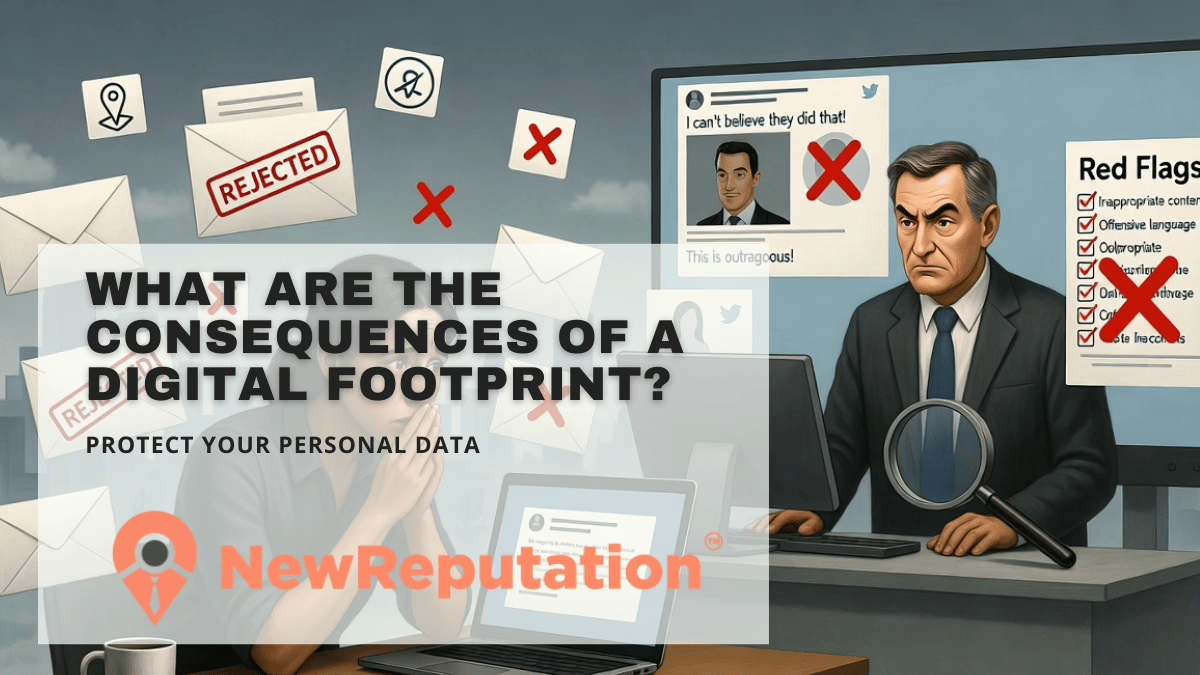
Employers, clients, and academic institutions frequently search for individuals online before making decisions. A quick search of a name may reveal social media profiles, blog comments, old posts, or tagged photos. If this content appears unprofessional, offensive, or controversial, it can negatively influence how others perceive a person.
For example, a candidate applying for a job might have excellent qualifications, but an employer who finds inappropriate posts or aggressive comments on social media may question the candidate’s professionalism. In competitive industries, even small details discovered online can affect hiring decisions.
An inappropriate or controversial social media post can follow you for years, potentially affecting job applications, business partnerships, and personal relationships.
Loss of Personal Privacy
Another serious consequence of a digital footprint is the loss of privacy. Many people unknowingly share sensitive information online through social media, online profiles, or public posts. Over time, this information can reveal details about someone’s personal life, habits, and location.
For instance, posting vacation photos while traveling may signal that a home is currently empty. Public posts may also reveal workplace details, family relationships, or daily routines. When combined, these pieces of information create a detailed profile that strangers may access.
In addition to social media posts, many websites collect data about users through tracking technologies such as cookies and analytics tools. This information can include browsing behavior, search history, and location data. While companies often use this information for advertising or analytics, it still contributes to a growing digital profile about each user.
Identity Theft and Online Fraud
Digital footprints can also create opportunities for cybercriminals. When too much personal information is available online, it becomes easier for scammers to impersonate someone or gain access to accounts.
Information such as birth dates, email addresses, phone numbers, and home addresses may appear harmless when shared individually. However, when criminals gather these details from multiple online sources, they may use them to commit identity theft or launch phishing attacks.
For example, a scammer might collect information from social media profiles and then send a convincing email pretending to be from a bank or online service. Because the message contains personal details, the victim may trust it and unknowingly provide sensitive login information. This type of fraud has become increasingly common as more personal information becomes publicly accessible online.
Read more about how to recover a hacked Twitter (X) account or protect yourself from text message scams.
Cyberbullying and Harassment
Public digital footprints can also expose individuals to cyberbullying or harassment. When personal information, opinions, or photos are widely accessible online, they may become targets for criticism, trolling, or harassment.
This issue is particularly common on social media platforms where discussions can escalate quickly. A single controversial post or opinion can attract negative attention, sometimes leading to waves of hostile comments or personal attacks.
In more serious cases, individuals may experience doxxing, where someone deliberately publishes private information online in order to harass or intimidate them. Once personal details such as phone numbers or home addresses become public, the situation can become difficult to control.
Data Profiling and Targeted Advertising
Many companies collect digital footprint data to better understand consumer behavior. Websites, search engines, and social media platforms track user activity in order to build detailed behavioral profiles.
These profiles help companies deliver targeted advertisements based on interests, browsing habits, and past purchases. For example, someone who frequently searches for travel destinations may begin seeing advertisements for hotels, airlines, and vacation packages across different websites.
Although targeted advertising can sometimes be useful, it also highlights how much information companies collect about individuals online. Over time, these data profiles can reveal preferences, routines, and lifestyle patterns.
Reduced Opportunities
Another consequence of digital footprints is the potential loss of opportunities. Online content may influence decisions related to employment, business partnerships, education, or public reputation.
Recruiters and hiring managers increasingly review candidates’ online presence as part of the screening process. If search results reveal negative information, controversial statements, or unprofessional content, it may reduce the chances of moving forward in the hiring process.
Similarly, business owners and freelancers may lose clients if their online presence appears unreliable or unprofessional. In many industries today, a person’s digital reputation has become an extension of their professional identity.
What to Avoid Online
Understanding what contributes to a harmful digital footprint is critical. Some online behaviors pose greater risks than others and should be approached with caution.
Risky Online Behaviors
Posting travel plans, family info, or daily routines
Comments or posts that can be screenshotted and shared widely
Posting IDs, contracts, or private communications
EXIF data in photos revealing GPS coordinates
No privacy settings reviewed or adjusted
Oversharing is perhaps the most obvious risk. Posting personal details, travel plans, or information about family members can leave individuals vulnerable to identity theft, stalking, or harassment. Even seemingly harmless information, when combined with other publicly available details, can reveal more than intended.
Engaging in offensive or controversial discussions publicly can also have long-lasting effects. A comment or post meant for a small audience can be screenshotted and shared widely, affecting both personal and professional reputations.
Other risky behaviors include sharing sensitive documents online, posting images with location data, or leaving social media accounts fully public without reviewing privacy settings.
How to Protect Your Digital Footprint
The good news is that there are concrete steps people can take to protect their digital presence. Managing your digital footprint begins with awareness. Regularly checking what information about you is publicly available helps identify risks early.
How to Protect Your Digital Footprint
Regularly search your name
Check what information is publicly available about you across search engines
Adjust privacy settings
Limit who can see posts, remove location tags, and set accounts to private
Delete old or unused accounts
Reduce exposure by removing accounts you no longer use
Remove data from broker sites
Opt out of data broker websites that aggregate and sell personal information
Use strong, unique passwords
Prevent unauthorized access with password managers and two-factor authentication
Monitor your digital footprint
Use professional monitoring services to track and respond to new exposures
Adjusting privacy settings on social media accounts is essential. Limiting who can see posts, removing location tags, and keeping personal accounts private are simple but effective measures. Similarly, deleting old or unused accounts can reduce exposure.
Removing personal information from data broker websites is another important step. While this process can be time-consuming, it helps prevent your data from being aggregated and exploited.
Finally, professional online reputation monitoring and privacy protection services can provide ongoing support. These services track your digital footprint, alert you when sensitive information appears online, and take steps to remove or suppress harmful content.
Why Choose Professional Online Privacy Protection
While individuals can take steps to manage their digital footprint, professional services provide expertise, tools, and experience to safeguard privacy more effectively. Experts can remove harmful content, suppress outdated posts, and protect personal information from reappearing online.
These services not only help maintain privacy but also restore reputation, giving individuals peace of mind and more control over their online identity. For anyone who is serious about protecting themselves, professional intervention can make a significant difference.
Protect Your Online Privacy Today
Your digital footprint shapes how the world sees you online. Harmful or sensitive information can resurface at any time. Professional support ensures your personal information remains secure and your reputation stays intact.
- Remove harmful content and suppress outdated posts
- Protect personal information from reappearing online
- Ongoing reputation monitoring and privacy protection
Frequently Asked Questions
Can digital footprints be fully deleted?
Not entirely. While some content can be removed, archives, screenshots, and cached data often remain online. The goal is to minimize exposure and manage what is publicly visible.
How long does a digital footprint last?
Potentially indefinitely. Even deleted content can persist in archives or be reposted.
Can employers see my digital footprint?
Yes. Publicly available information, social media posts, and online mentions can all be reviewed by recruiters and employers.
How do I check my digital footprint?
Search your name, email, and phone number online. Review social media profiles and consider using reputation monitoring tools to track your online presence.
Conclusion
By understanding the consequences of a digital footprint and taking proactive steps, individuals can protect both their privacy and reputation. Oversharing, neglecting privacy settings, or ignoring old posts can have lasting effects, but awareness, caution, and professional support provide a clear path to safer online interactions.