If you have ever planned content for more than a few weeks, you have likely heard the terms “editorial calendar” and “content calendar” used interchangeably. They sound similar, they are often mixed together, and many teams assume they are the same thing.
They are not.
Understanding the difference between an editorial calendar vs content calendar is one of the simplest ways to improve consistency, reduce stress, and ensure your content actually supports your business goals.
This article explains what each calendar does, how they work together, and how to use both without overcomplicating your workflow.
Key Takeaways
- An editorial calendar defines the big picture strategy behind your content
- A content calendar manages the day to day execution of that strategy
- Editorial calendars focus on themes, goals, and direction
- Content calendars focus on posts, dates, channels, and delivery
- Using both together creates consistency without sacrificing flexibility
Why This Distinction Matters
Most content problems are not creativity problems. They are planning problems.
Teams struggle with missed deadlines, inconsistent posting, or content that feels disconnected because they jump straight into execution without a strategy, or they overplan strategy without a clear path to publishing.
That gap is exactly where confusion between editorial and content calendars shows up.
Once you separate the two, planning becomes clearer and execution becomes easier.
What Is an Editorial Calendar?
An editorial calendar is your strategic roadmap. It answers the high level questions about what you are creating and why.
What an editorial calendar focuses on
An editorial calendar looks at content from a business and audience perspective. It helps you plan themes, campaigns, and priorities over time.
Typical elements include:
• Core content themes or pillars
• Campaigns and initiatives
• Seasonal or timely topics
• Target audiences
• Key messages
• Business objectives
Timeframe
Editorial calendars are usually planned monthly, quarterly, or yearly. They are not concerned with exact posting dates or captions.
Think in terms of direction, not execution.
Purpose
The purpose of an editorial calendar is alignment. It ensures your content supports real goals instead of reacting week to week.
It helps answer questions like:
• What are we focusing on this quarter
• Which topics matter most to our audience
• Where do we have gaps in our messaging
• How does content support launches or campaigns
What Is a Content Calendar?
A content calendar is where strategy becomes action. It is the day to day execution plan that turns ideas into published content.
What a content calendar focuses on
A content calendar is operational. It tracks what is being published, where it is going, and who is responsible.
Typical elements include:
• Exact post titles
• Copy or captions
• Publishing dates and times
• Channels or platforms
• URLs and links
• Images or assets
• Keywords or hashtags
• Status such as draft, review, or scheduled
• Owners and deadlines
Timeframe
Content calendars are usually weekly, biweekly, or monthly. They change frequently and are meant to be flexible.
Purpose
The purpose of a content calendar is consistency and coordination.
It helps teams:
• Stay organized
• Meet deadlines
• Avoid last minute scrambling
• Maintain steady publishing
• Collaborate without confusion
Editorial Calendar vs Content Calendar: The Core Difference
The simplest way to understand the difference is this:
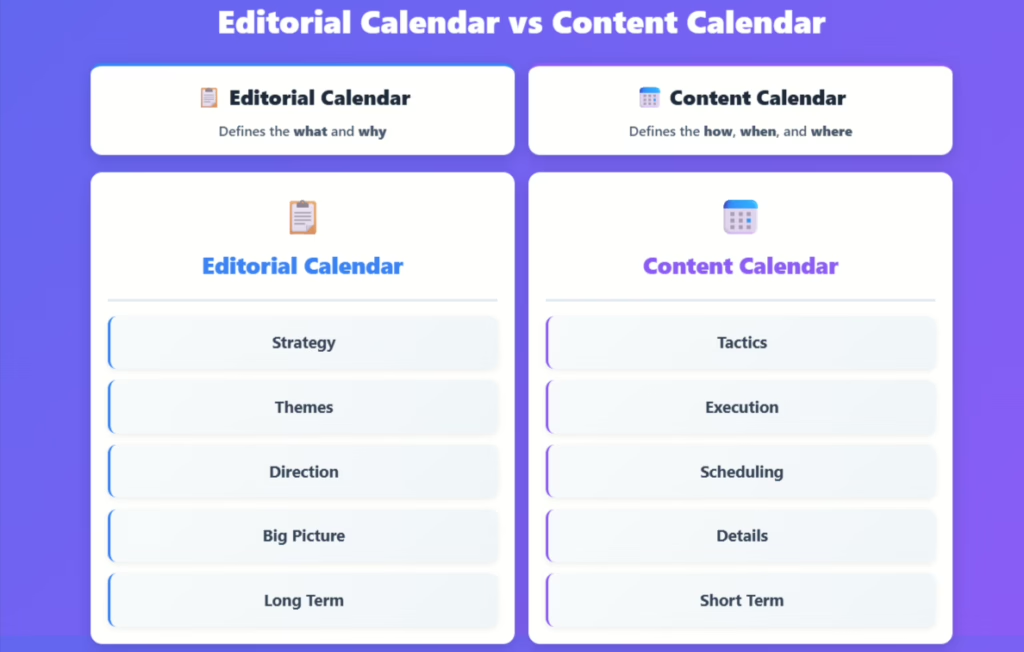
An editorial calendar defines the what and why
A content calendar defines the how, when, and where
They are not competing tools. They are complementary.
Editorial calendar
Strategy
Themes
Direction
Big picture
Long term
Content calendar
Tactics
Execution
Scheduling
Details
Short term
One without the other creates an imbalance.
How the Two Calendars Work Together
The most effective teams use both calendars in tandem.
The editorial calendar acts as the filter. It determines which ideas belong and which do not.
The content calendar acts as the engine. It turns approved ideas into consistent output.
Example
Your editorial calendar might say:
• September theme: Trust and credibility
• Campaign focus: Educational authority
• Target audience: Prospective clients
Your content calendar then translates that into:
• Blog post on industry myths published September 5
• LinkedIn post sharing insights on September 7
• Short video explaining a concept on September 12
• Email newsletter on September 18
Every piece of content supports the same theme without repeating itself.
Proactive Steps to Use Both Effectively
You do not need complex software or large teams to benefit from both calendars. What matters is clarity.
Start with the editorial calendar
Begin by outlining your major themes and goals for the next quarter or month. Keep it simple. Focus on priorities, not perfection.
Ask:
• What matters most right now
• What does our audience need
• What business goals should content support
This becomes your guardrail.
Build the content calendar from the strategy
Once themes are set, plan specific posts that support them. Assign dates, channels, and owners.
Your content calendar should always map back to the editorial plan. If something does not fit, it should be questioned.
Review and adjust regularly
Editorial calendars should be reviewed monthly or quarterly. Content calendars should be reviewed weekly.
This rhythm allows you to stay strategic without becoming rigid.
Common Mistakes to Avoid
Teams often run into trouble when:
• They only use a content calendar and skip strategy
• They over plan the editorial calendar and never execute
• They treat both calendars as the same document
• They plan too far ahead without room for adjustment
Keeping the roles separate prevents these issues.
Frequently Asked Questions
Is an editorial calendar the same as a content calendar?
No. An editorial calendar focuses on strategy and themes. A content calendar focuses on execution and scheduling.
Do small teams really need both?
Yes, even if they are lightweight. A simple editorial plan paired with a basic content schedule is often enough to improve clarity and consistency.
Which one should I create first?
Start with the editorial calendar. Strategy should always come before execution.
Can one tool handle both calendars?
Some tools can support both, but the distinction is conceptual rather than technical. What matters is how you think about planning, not the software you use.
Conclusion
The debate around editorial calendar vs content calendar is not about choosing one over the other. It is about understanding their roles.
The editorial calendar gives your content purpose.
The content calendar gives it structure.
When used together, they create a system in which every post has a reason, every deadline is clear, and every piece of content supports a larger goal.
That is how content moves from being busy work to being strategic.