Last Updated on 7 months ago by Admin
This just happened to me: friends started asking why I was calling them from my own number… when I wasn’t. Strangers were calling back, angry about robocalls I never made.
I did some research… That’s when I realized my phone number was being spoofed.
If you’re seeing something similar, here’s a quick guide to what’s going on, how to tell if it’s happening to you, and what you can do about it.
What Is Phone Number Spoofing?
Phone number spoofing is when scammers fake the caller ID so it looks like the call is coming from your number. Using VoIP technology and cheap online tools, they can:
- Run impersonation scams and financial scams
- Pretending to be a government agency or business
- Use neighbor spoofing to look local and trustworthy
This is different from a ‘SIM swap’ (where criminals take over your phone line).
Spoofing fakes your caller ID; it doesn’t always mean your account is hacked.
How to Tell If Your Number Is Being Spoofed
Common signs of misuse include:
- Complaints coming from strangers about calls you never made
- Calls or texts from your own number
- Your number is starting to being flagged as spam or showing as a blocked number
- Unexpected phone charges or unfamiliar charges on your bill
- Credit monitoring or bank alerts suggesting identity theft or unauthorized activity
One or two might be a glitch. Several at once is a red flag.
What to Do If Your Number Is Spoofed
Act quickly:
- Call your mobile carrier
Ask them to check for SIM swap attempts, review your service bill, and enable any spoofed call protection or robocall filters powered by robocall analytics engines. - Lock down your voicemail
- Change your voicemail password
- Update your voicemail message so it doesn’t reveal personal details
- Turn on spam blocking
Use a spam call blocking app and your carrier’s tools to reduce scam calls to you and others. - Report it (US)
- Add your number to the Do Not Call Registry at donotcall.gov
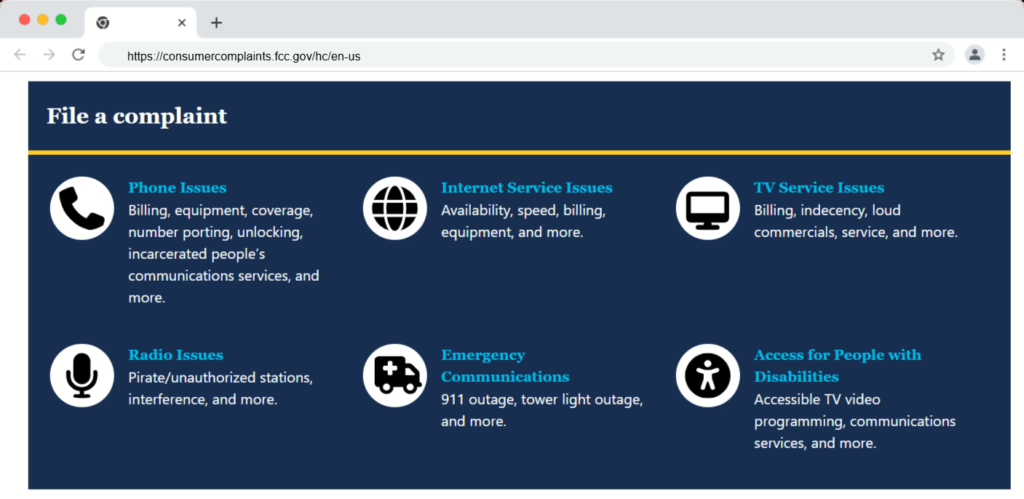
- File an FCC complaint at consumercomplaints.fcc.gov
- File an FTC report at reportfraud.ftc.gov if scams or identity theft are involved
- Consider identity theft protection
If you see unauthorized activity, look into identity theft protection or additional credit monitoring.
How to Reduce Future Spoofing and Protect Yourself
You can’t stop criminals from ever spoofing your number, but you can lower the risk and limit damage:
- Use call security settings
Turn on call-blocking apps, carrier ActiveArmor or similar tools, and consider block unknown numbers. - Benefit from STIR/SHAKEN
Ask your carrier about STIR/SHAKEN call authentication and, if you’re a business, branded calling (often via a branded calling for businesses vendor) so your legitimate calls look more trustworthy. - Protect your data online
Tighten privacy settings on social media, avoid posting your number publicly, and be cautious after any data breach. If you can, use privacy monitor or dark web monitoring tools to watch for your data being traded by data brokers or on the dark web. - Harden your accounts
Add extra security with your carrier to prevent SIM swapping, and avoid relying only on SMS two-factor authentication (2FA) when more secure options (like authenticator apps or security keys) are available.
Why Reporting Matters
When you report spoofing and scam calls to the FCC and FTC, you’re helping to fight robocall and scammer operations and improve “STIR/SHAKEN” protocols.
Spoofing is frustrating and can lead to reputational damage, personal data compromise, and even legal issues if victims think you’re behind the calls. But by spotting the signs of misuse early, locking down your accounts, and reporting incidents, you can protect yourself and make your number more trustworthy over time.