Last Updated on 4 months ago by Admin
The dark web sounds mysterious, but the basic idea is simple.
It is a hidden part of the internet that does not show up in normal search engines like Google or Bing. You cannot reach most dark web pages with a regular browser like Chrome or Safari. You usually need special software, such as Tor, to access it.
The dark web is often linked to crime, stolen data, illegal markets, and hacking forums. That reputation is partly earned. But it is not the whole story. Some people also use the dark web for privacy, journalism, whistleblowing, and communication in countries with heavy censorship.
The important thing is this: the dark web can create real privacy and security risks. If your personal information ends up there, it may be used for identity theft, fraud, account takeovers, or scams.
In this guide, we will explain what the dark web is, how it works, what makes it different from the deep web, and what to do if your information appears there.
Table of Contents
- What is the dark web?
- Surface web vs. deep web vs. dark web
- How does the dark web work?
- Is the dark web illegal?
- Dark web risks and benefits
- What information can be found on the dark web?
- Can you be tracked on the dark web?
- How to stay safer online
- What to do if your information is found on the dark web
- Frequently asked questions
What Is the Dark Web?
The dark web is a hidden part of the internet that requires special tools to access. It is not indexed by major search engines, which means you usually cannot find dark web pages through a regular Google search.
Most dark web activity happens through privacy-focused networks such as Tor. The Tor Project describes its mission as helping people use the internet with more privacy and freedom.
That privacy can be used for good reasons. It can help journalists, activists, whistleblowers, and people living under censorship communicate more safely.
But privacy can also attract criminals.
Dark web spaces may contain stolen passwords, leaked personal information, fake IDs, hacking tools, illegal marketplaces, and fraud services. That is why most everyday users should be cautious.
Surface Web vs. Deep Web vs. Dark Web
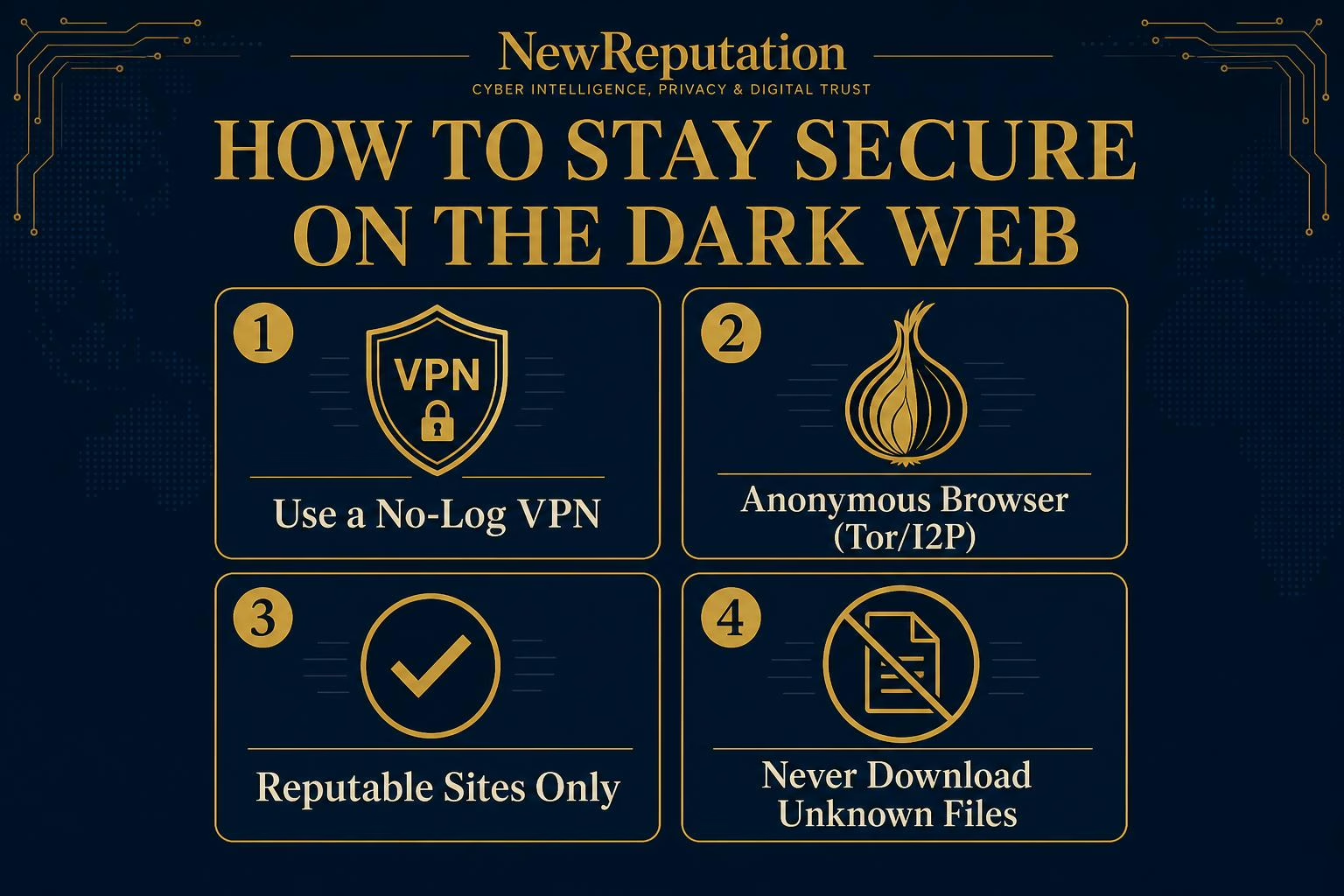
People often mix up the surface web, deep web, and dark web. They are not the same.
Surface web
The surface web is the public internet most people use every day.
This includes:
- News websites
- Blogs
- Public business websites
- Public social media pages
- Search engine results
If a page can be found through Google, it is usually part of the surface web.
Deep web
The deep web is content that exists online but is not indexed by search engines.
This includes:
- Online banking portals
- Email inboxes
- Medical portals
- Private work dashboards
- Subscription content
- School or employee accounts
The deep web is not automatically dangerous. Most of it is normal private content that requires a login.
Dark web
The dark web is a smaller hidden part of the deep web. It usually requires special software, such as Tor, to access.
This is where anonymous websites, hidden forums, and marketplaces may exist.
How Does the Dark Web Work?
The dark web works by routing traffic through privacy-focused networks that make users and websites harder to identify.
Tor is one of the best-known tools. Tor stands for The Onion Router. It routes internet traffic through several volunteer-run servers so it is harder to trace the user’s location or identity.
Dark web sites often use “.onion” addresses instead of normal website addresses. These pages are not usually available through regular browsers.
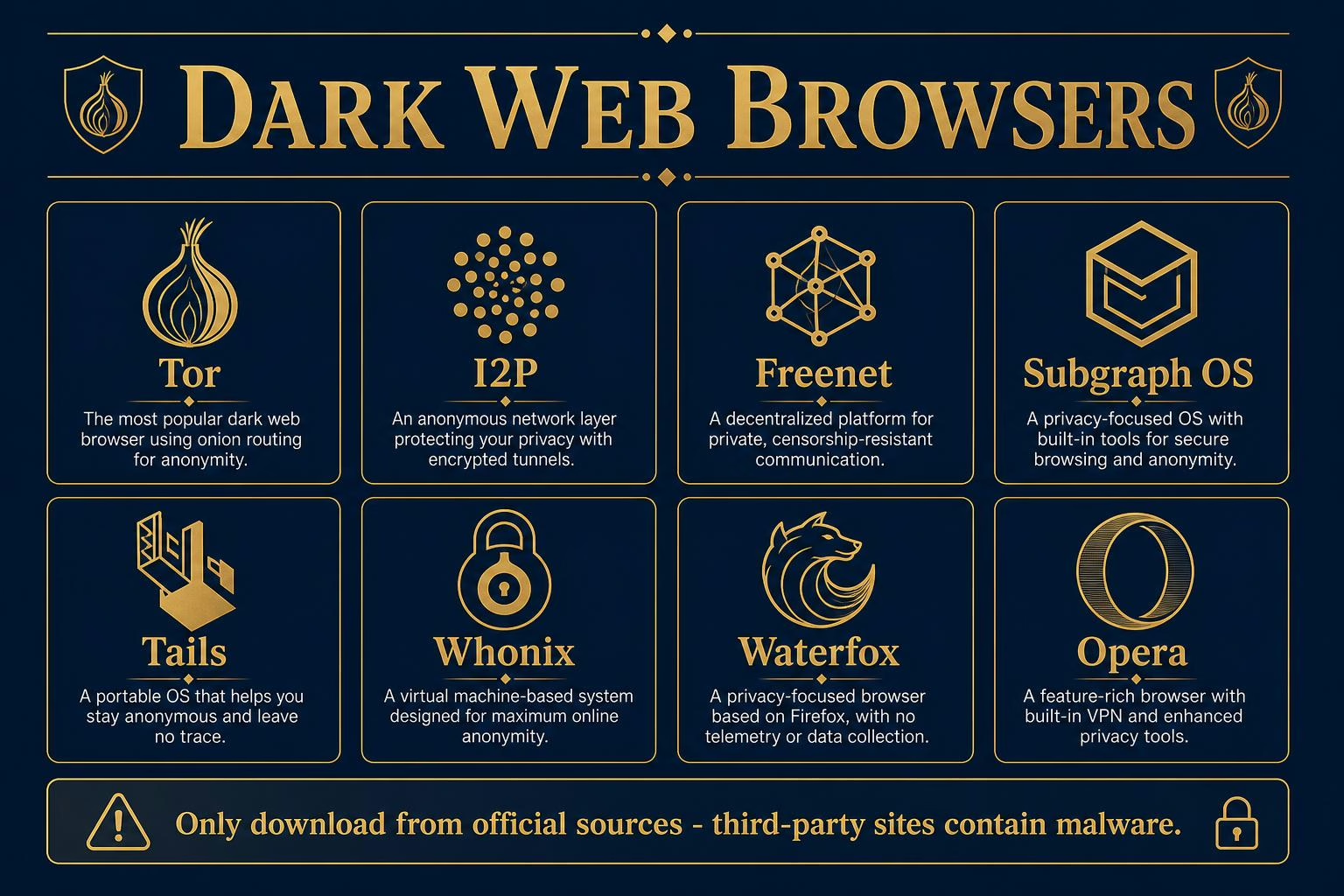
Some tools associated with dark web or privacy-focused browsing include:
- Tor Browser
- I2P
- Freenet
- Tails
- Whonix
For safety, people should only download privacy tools from official sources. Fake downloads can contain malware.
Is the Dark Web Illegal?
Using Tor or visiting the dark web is not automatically illegal in many countries, including the United States.
What matters is what you do there.
Legal uses may include:
- Private browsing
- Secure communication
- Accessing uncensored news
- Whistleblowing
- Research
Illegal activity may include:
- Buying stolen data
- Selling drugs or weapons
- Accessing illegal images or abuse material
- Buying hacked accounts
- Hiring hackers
- Committing fraud
A simple rule helps: privacy tools are not the problem. Criminal activity is.
If you are researching online privacy, you may also want to read our guide on how to protect your online privacy.
Dark Web Risks and Benefits
The dark web is not one thing. It has both risks and legitimate uses.
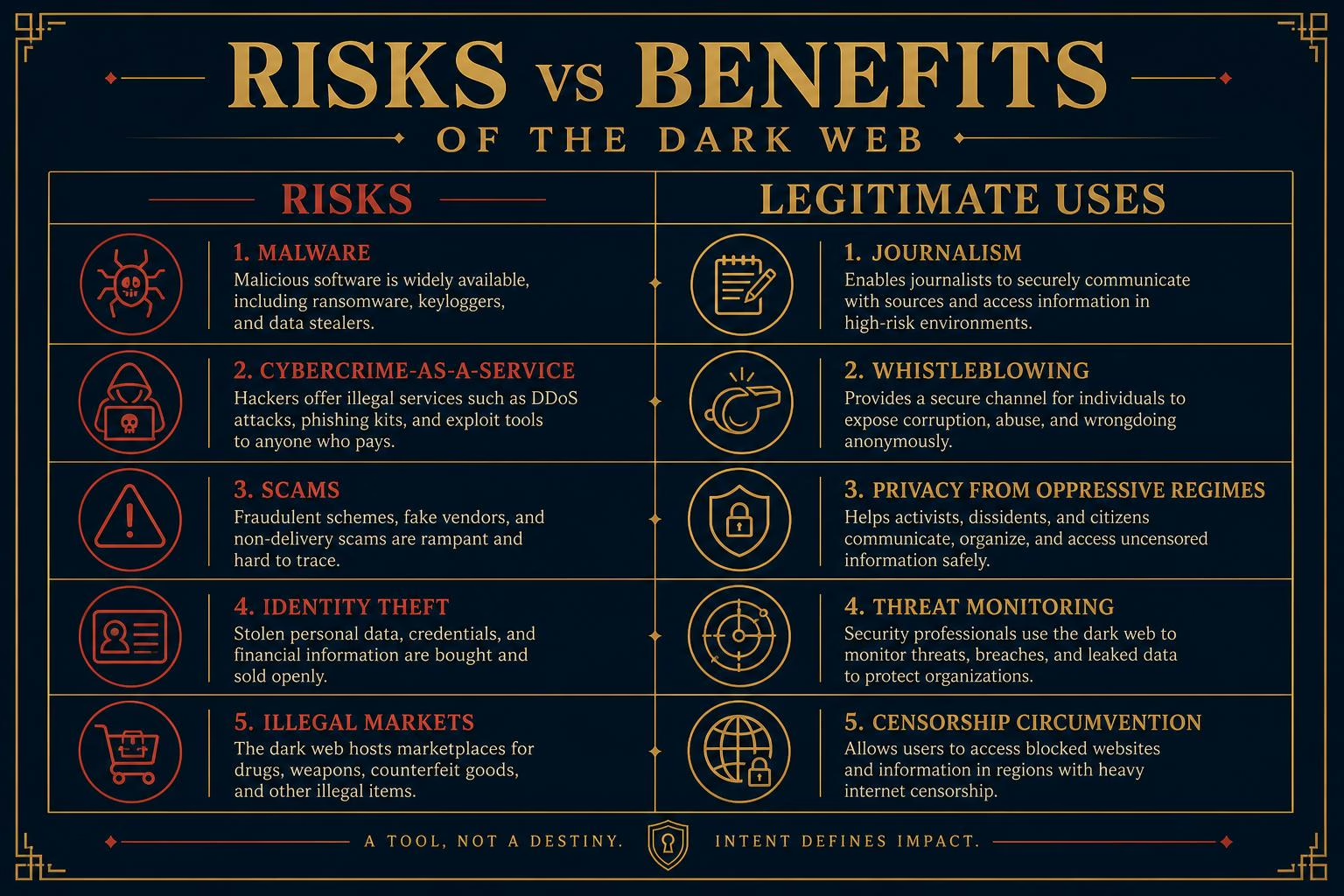
Potential benefits
- More private communication
- Access to information in censored regions
- Safer channels for whistleblowers
- Research into cyber threats
- Privacy protection for vulnerable users
Major risks
- Malware downloads
- Scams and fake markets
- Exposure to illegal content
- Stolen personal information
- Account takeover risk
- Financial fraud
The FBI’s Internet Crime Complaint Center is the central place to report cyber-enabled crime in the United States. CISA also offers cybersecurity guidance for people and organizations through its cybersecurity best practices resources.
What Information Can Be Found on the Dark Web?
Stolen personal data is one of the biggest concerns.
Information found on the dark web may include:
- Email addresses
- Passwords
- Social Security numbers
- Credit card numbers
- Banking details
- Medical information
- Driver’s license details
- Phone numbers
- Home addresses
- Login credentials
Criminals may use this information for identity theft, fake accounts, account takeovers, scams, or fraud.
The FTC explains that identity theft recovery is a process and offers step-by-step help through IdentityTheft.gov.
If you want to see what information about you is already public online, you can start by learning how to deep search yourself.
Can You Be Tracked on the Dark Web?
The dark web is designed to make tracking harder, but that does not mean it is impossible.
Users can still expose themselves through:
- Downloading malware
- Logging into personal accounts
- Reusing usernames
- Opening unsafe files
- Sharing personal details
- Using unsafe scripts or plug-ins
Law enforcement agencies also investigate serious cybercrime and illegal activity online.
So while dark web tools may provide more privacy, they do not create total safety or total anonymity.
How to Stay Safer Online
Most people do not need to visit the dark web. The better goal is protecting your information so it does not end up there.
Start with these steps:
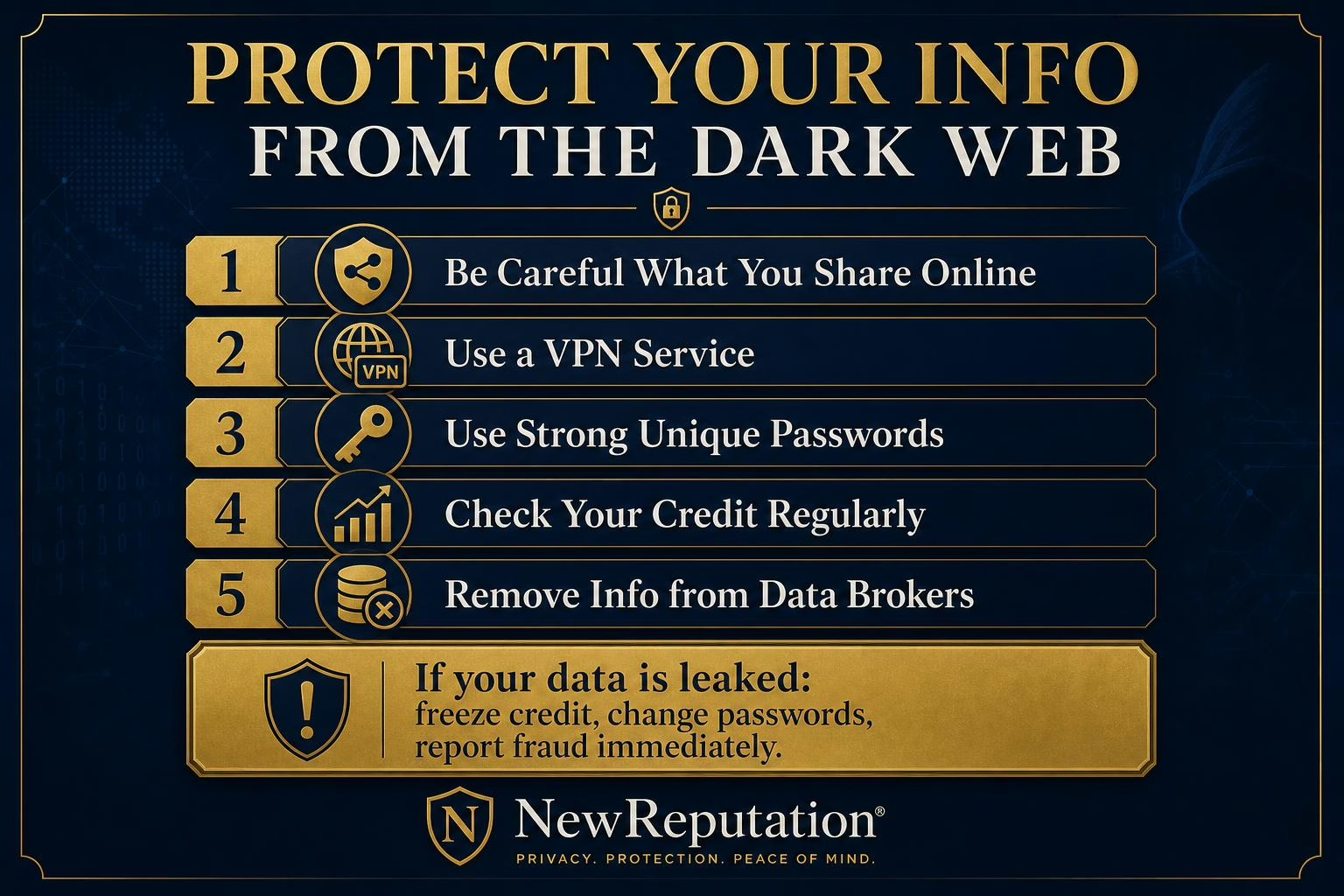
- Use strong, unique passwords for every account.
- Turn on multi-factor authentication.
- Do not reuse old passwords.
- Watch for phishing emails and fake login pages.
- Keep devices and browsers updated.
- Avoid downloading files from unknown sources.
- Remove personal information from data broker sites.
- Check your credit reports regularly.
- Freeze your credit if your identity is at risk.
If your concern is search visibility, this guide on removing personal information from Google may help.
You should also reduce what others can learn from your digital history. This guide explains how to delete search history.
What to Do If Your Information Is Found on the Dark Web
If your information appears on the dark web, you may not be able to remove it completely. Once stolen data spreads, it can be copied many times.
But you can reduce the damage.
1. Change exposed passwords
Change passwords on any affected accounts right away. If you reused that password elsewhere, change those accounts too.
2. Turn on multi-factor authentication
This adds another layer of protection even if someone has your password.
3. Watch financial accounts
Review bank accounts, credit cards, and payment apps for suspicious activity.
4. Freeze your credit
A credit freeze can help stop criminals from opening new accounts in your name.
5. Report identity theft
Use IdentityTheft.gov if your personal information was used for fraud. You can also report cybercrime through the FBI’s IC3.
6. Monitor your name online
Dark web exposure can lead to impersonation, fake accounts, scams, or public reputation problems.
Use reverse image search if someone is using your photo without permission. Here is how to do a reverse image search on Google.
How the Dark Web Connects to Reputation
The dark web may seem separate from your online reputation, but the two can overlap.
Stolen personal data can lead to:
- Fake accounts using your name
- Leaked private information
- Impersonation scams
- Fraud linked to your identity
- Search results that show old or harmful information
Even if the original leak happens in private spaces, the damage can move into public search results.
For example, private information can get reposted on social media, forums, or websites. In some cases, people may post court records, accusations, or private details in a way that harms your name. This guide explains whether it is illegal to post a criminal record on Facebook.
Frequently Asked Questions
What is the dark web in simple terms?
The dark web is a hidden part of the internet that requires special software to access. It is not listed in normal search engines like Google.
Is the dark web the same as the deep web?
No. The deep web includes normal private pages like email, banking, and medical portals. The dark web is a smaller hidden section that usually requires tools like Tor.
Is it illegal to go on the dark web?
Using privacy tools like Tor is not automatically illegal in many places. Illegal activity on the dark web is still illegal.
Can my personal information be removed from the dark web?
Usually not completely. Stolen data can be copied and shared many times. The best response is to secure accounts, change passwords, freeze credit if needed, and monitor for misuse.
Why would my information be on the dark web?
Your information may appear there after a data breach, phishing attack, malware infection, stolen account, or data broker leak.
Should I search the dark web myself?
Most people should not. Dark web browsing can expose you to scams, malware, and illegal content. Use trusted monitoring tools or professional help instead.
Final Thoughts
The dark web is not just a scary internet myth. It is a real hidden part of the web with both privacy uses and serious risks.
For most people, the biggest concern is not visiting the dark web. It is whether your personal information is already there.
Start with basic protection. Use strong passwords. Turn on multi-factor authentication. Watch for phishing. Remove exposed personal information where possible. Monitor your search results and accounts.
The more you control your public information, the harder it becomes for criminals to use your data against you.