Last Updated on 5 months ago by Admin
You’ve probably heard the term “doxxing” thrown around in the media, but what you may not know is that this You might have heard the word “doxxing” in the news, but it can actually refer to many situations, not just those that happen online.
So, what exactly is doxing, how can we avoid it, and what steps can we take?
Keep reading to learn more.
Understanding Doxing
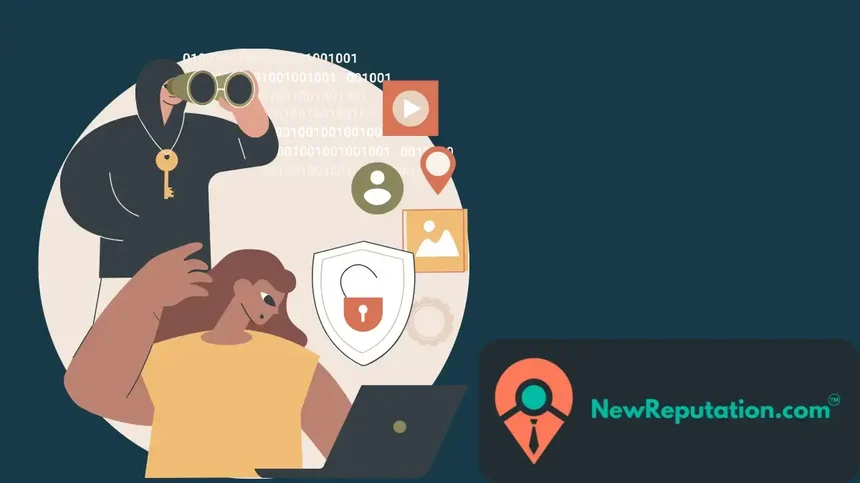
Doxing means exposing someone’s private information online without their permission. The word comes from “dropping dox,” which means releasing documents that show personal details. People who dox often want revenge, have political motives, or simply want to cause harm.
Doxing often means collecting personal details like home addresses, phone numbers, or workplace information and sharing them in public. Attackers might find this data on social media, in leaked documents, or from other online sources. Once this information is out, victims may face harassment, threats, or even real-life risks.
Doxing is dangerous because it takes away your control over your private information. Even if some details are already public, sharing them to hurt someone is both wrong and sometimes illegal. Learning about doxing is the first step to staying safe online. Be careful about what you share and use strong privacy settings to lower your risk.
People dox others or organizations for many reasons, such as:
- Activism
- Extortion
- Shaming
- Personal vendettas
- Vigilante causes
The reason someone gets doxxed isn’t as important as how the person doing it got the information.
A lot of personal information is easy to find online through sites like Facebook, Instagram, and other social media. Even a quick Google search can turn up things like old names, addresses, phone numbers, or details about relatives and people with the same name.
Some information used in doxing is harder to find and can include things like:
- Criminal records
- Social Security numbers
- Private messages such as mail, texts, or emails
- Personal photos
It’s usually easy to tell what counts as doxxing because it often involves someone trying to cause harm or harass others. Anyone can be a victim, but celebrities, journalists, politicians, and other public figures are targeted more often.
How to Prevent Doxing
So, how can you prevent doxing?
The best way is to avoid sharing personal details you wouldn’t want others to see online.
But that’s not always possible. For example, what about shopping sites like Amazon?
This advice is especially important on social media, where your information is often public unless you change your privacy settings.
Here are some practical tips to help you avoid becoming a victim of doxxing.
1. Keep your personal information private.
Whenever possible, avoid sharing your personal information on public sites or in public meetings. This includes your full name, address, phone number, email address, Social Security or other government-issued numbers, and financial account numbers.
If you must disclose this information online to create an account, for example, consider using a pseudonym or alias.
2. Protect all of your online accounts with strong passwords.
Using strong passwords is one of the best ways to protect your online accounts from doxxing. Choose passwords that are at least 12 characters long and use a mix of uppercase and lowercase letters, numbers, and special symbols.
Also, avoid passwords that are easy to guess or related to personal details like birthdays or family names.
Change your passwords regularly and never reuse the same password on multiple sites.
3. Use two-factor authentication whenever possible.
Two-factor authentication, or 2FA, adds another layer of security by asking for a second way to prove your identity when you log in.
This could be a code sent to your email or phone, or using something like your fingerprint or face to confirm it’s you.
Whenever possible, enable two-factor authentication on all of your accounts to add an extra layer of protection against doxxing attacks.
4. Avoid unnecessary online postings and comments.
Think carefully before posting anything online. Some details you share can be used to identify you or others.
Be mindful of the postings and comments you make on websites, even if it seems harmless.
Think about what kind of information you are sharing and how it could be used against you.
5. Review your privacy settings on all platforms regularly.
Stay up to date with the privacy policies and settings of the websites you use. Many sites let you make your account private or control who can see your posts.
Make sure to check those settings regularly, especially if the site updates its privacy policies.
Pay attention to the kinds of information people are asking you for when making comments and take extra caution with posting any sensitive personal or financial information online.
Responding to Being Doxed
Being doxed can feel overwhelming, but acting quickly can help you regain control. The first step is to preserve evidence of the doxing. Take screenshots of any abusive content, including posts, messages, and threats. If the doxer shared your directory information (like your home address or phone number), document where it appears online.
Next, submit takedown requests to platforms where your personal details have been posted. Many social media sites and websites have policies against online harassment and allow users to request content removal. If the information remains up, consider sending a cease-and-desist letter to the responsible party. While this isn’t always enforceable, it signals that you are taking legal steps.
For severe cases, report the doxing to law enforcement. If you are facing threats, stalking, or harassment, authorities may take action. Seeking legal advice is also important. A lawyer can help you explore civil actions if the doxing causes harm.
To protect yourself long-term, review your online data and increase your privacy settings. Remove unnecessary personal information from public websites, and be mindful of what you share online. While free speech principles protect certain online discussions, doxing often crosses the line into harassment. By staying vigilant and taking action, you can reduce the impact and secure your digital presence.
Doxing Laws: Is Doxing Illegal?
These are the crucial questions: Is doxing legal? Can a doxxing lawsuit ever be filed against you?
This is not a simple issue, as you probably know.
Doxxing laws may apply to both the victim and the perpetrator.
First, the United States does not have a direct doxxing law that addresses these types of attacks.
However, some attempts have been made to create such a law. California does have a cybercrime law, which applies to doxxing.
However, other stalking laws may also be applicable.
First, doxxing legal action should be separated into criminal and civil law.
Unfortunately, answering the question “Is doxing legal?” is a bit tricky as it can vary from one case to another. The answer can also change based on what information got distributed, where that information came from, and who got doxed.
Often, doxxing is part of a more extensive campaign to harass an individual or entity, and there are certain people, such as jurors or witnesses, who fall into different categories. It is often challenging to discover the identity of the person doxxing, which is an obstacle that can be difficult to overcome.
If the information was obtained legally, either through social media or on a public forum such as a Google search, it’s unlikely the doxing is illegal since anyone can access this information. While many people would find this disturbing, doxxing can often take little snippets of information that seem harmless on their own and compile them to create a bigger picture.
People often don’t realize how much personal information they’ve put online, and doxing can exploit known security flaws across various sites to dig up more data. While not all of this behavior is legal, it often gets performed anonymously.
Is Doxing a Federal Crime?
Doxxing can absolutely cross the line into criminal territory. It depends on what’s shared, how it’s shared, and what happens next. If someone posts your home address or phone number online and encourages others to harass you, that’s not just invasive, it can be illegal. While there isn’t a specific federal law called “doxxing,” it can still fall under laws about cyberstalking, threats, or identity theft. So, if you’re wondering if doxxing is a crime or even a federal crime, the answer is yes in many cases, especially when it causes harm or spreads across state lines.
Can I Report Doxing?
If the doxing takes place on social media, you can report doxxing to the platform, which usually violates the terms of using that service. The result is that posts or tweets get swiftly removed, but that doesn’t stop the offender from creating new fake accounts and continuing to post information about you.
In most cases, you’ll simply have to decide how much bandwidth you have to dedicate to this doxing, and often the best course of action is to lock or suspend your accounts. Otherwise, you can consult with a lawyer to see if further action is warranted and document the doxing activity to the best of your ability.
Doxxing Examples:
- Personal photos can be released.
- It is possible to post a person’s address or phone number on the internet.
- Information about a person’s family, employment or other private documents can be released.
- Encourage others to harass someone using the information they have received.
You can also ask Google to remove information that they have saved about you every so often, and if you own any domains, you can switch the WHOIS records to private. Even if you take all available steps, there will still be a bit of information about you on the internet, but you can search for your name to assess how much is out there.
How to stop doxxing
Doxxing can be very distressing. To prevent doxxing, you need to limit the amount of information about yourself online. You can take steps to manage your digital footprint and remove personal information that you don’t want to be shared.
The practice of searching for your data, or doxxing yourself, is the best way to understand how much information is available and potentially where it originates. Regardless of how much of a public figure you are, doxing is not all that uncommon, and it doesn’t hurt to prepare.
Resources for Doxing Victims
If you’ve been targeted by doxing, it’s important to act quickly. Your personal information being exposed online can feel overwhelming, but there are resources available to help you regain control.
Start by checking your rights under your school or organization’s information use and security policies. Many universities and workplaces have digital security resources that can guide you on removing personal details from public sites and improving your online security.
For legal support, consider reaching out to student legal aid offices or the office of the general counsel for advice on how to proceed. In some cases, sending a cease and desist letter may help stop further harassment. You can also report the incident to the Office of Civil Rights and Equity, which may offer protections if the doxing is tied to discrimination or harassment.
If you feel unsafe, your local public safety department can provide guidance, and the university counseling center can offer emotional support. Online, organizations like a doxing resource group can connect you with experts who specialize in removing harmful content. Additionally, contacting your web hosting service or platforms where your information was posted may lead to its removal. For severe cases, we recommend reporting to the FBI cybercrime unit.
Final Thoughts
Many people have heard the word but still wonder: what is doxing and how can you prevent it? The truth is, you can’t stop it completely, but by browsing safely and keeping your personal information off the internet, you can lower your risk.
Unfortunately, in most cases, it’s impossible to identify the culprit of doxing, which makes it difficult to take further steps. The first step to prevent doxxing is to remove your personal information from the internet.