
Last Updated on 3 months ago by Admin
Enterprise SEO is not just “regular SEO on a bigger website.”
Large companies face completely different challenges.
Thousands of pages. Multiple departments. Franchise locations. Technical SEO problems. AI search changes. Brand reputation issues. Slow approval processes. Competing teams. International visibility.
At the enterprise level, SEO becomes part marketing strategy, part infrastructure project, and part reputation management.
That is why many enterprise SEO campaigns fail. Companies focus only on rankings while ignoring the systems needed to support long term visibility.
At NewReputation, we help organizations improve search visibility, strengthen branded search results, support local SEO, manage reputation signals, and adapt to modern AI-driven search behavior.
The companies winning search today are not just optimizing pages.
They are building trust signals across the entire internet.
Table of Contents
- What is enterprise SEO?
- Why enterprise SEO matters more now
- The three pillars of enterprise SEO
- Technical SEO at enterprise scale
- Enterprise content strategy
- Authority and off page SEO signals
- Local SEO for enterprise brands
- Enterprise SEO and AI search
- Why reputation management now affects SEO
- Common enterprise SEO mistakes
- Frequently asked questions
What Is Enterprise SEO?
Enterprise SEO is the process of improving search visibility for large organizations with complex websites, multiple services, many locations, or high competition.
Unlike smaller websites, enterprise SEO usually involves:
- Large site structures
- Thousands of indexed pages
- Multiple stakeholders
- Technical SEO management
- Brand reputation monitoring
- Local SEO scaling
- Content governance
- Search visibility across multiple markets
Enterprise SEO also overlaps heavily with public perception.
When someone searches a large company, they are not only seeing products and services. They are also seeing reviews, news coverage, executive profiles, AI summaries, Reddit discussions, and third-party content.
That is why modern SEO now connects closely with reputation management strategies.
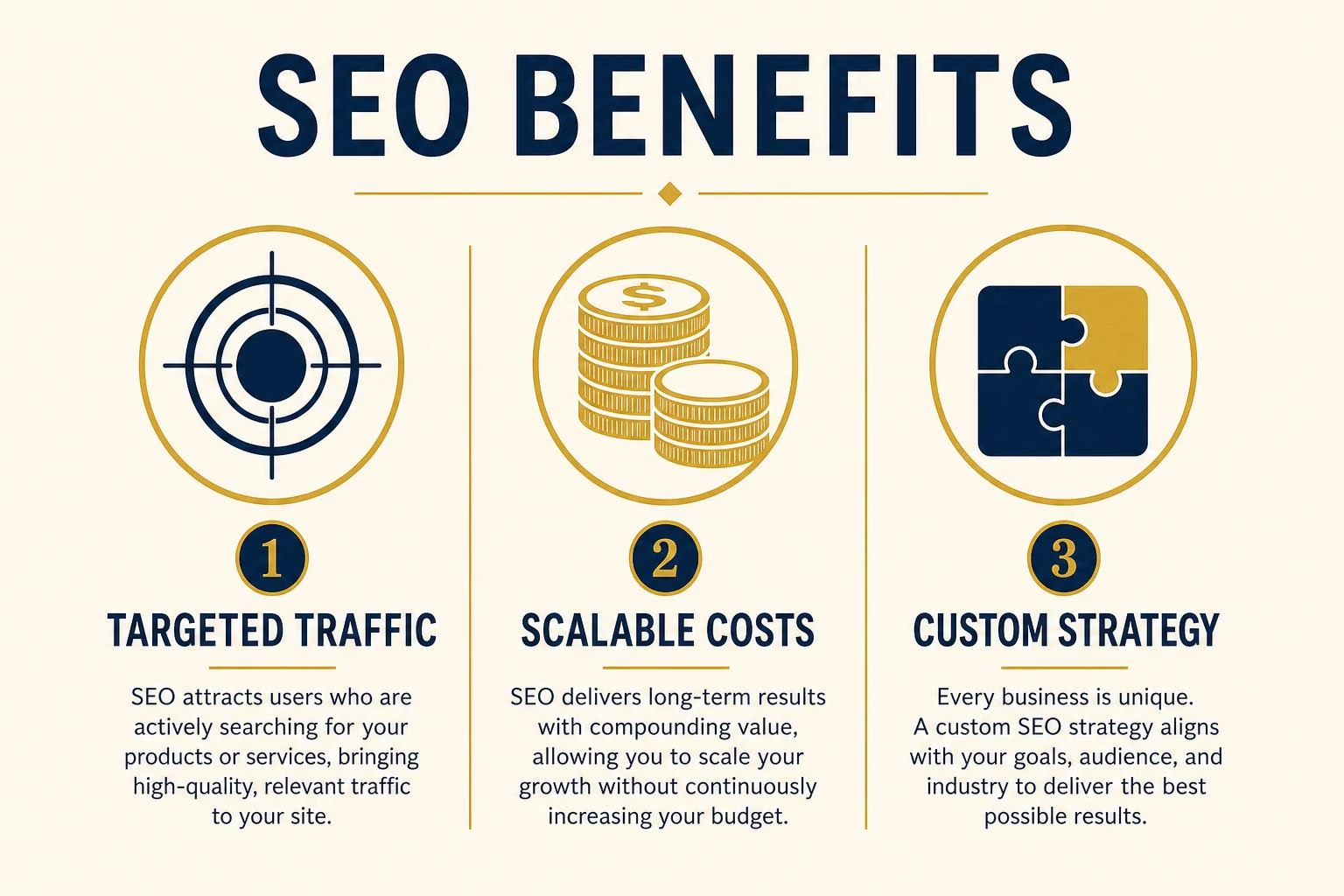
Why Enterprise SEO Matters More Now
Search behavior changed dramatically over the past few years.
People no longer rely only on homepage searches.
Now they search:
- Reviews
- Comparisons
- AI summaries
- Reddit opinions
- Local listings
- Executive names
- Industry trust signals
- People Also Search For suggestions
Google also introduced AI-generated summaries that pull information from multiple sources online.
That means enterprise SEO is no longer only about ranking pages.
It is about controlling brand understanding across the entire search ecosystem.
This is why many enterprise organizations are now adapting to Google AI Overviews and reputation management.
The Three Pillars of Enterprise SEO
Most successful enterprise SEO campaigns rely on three core areas working together.
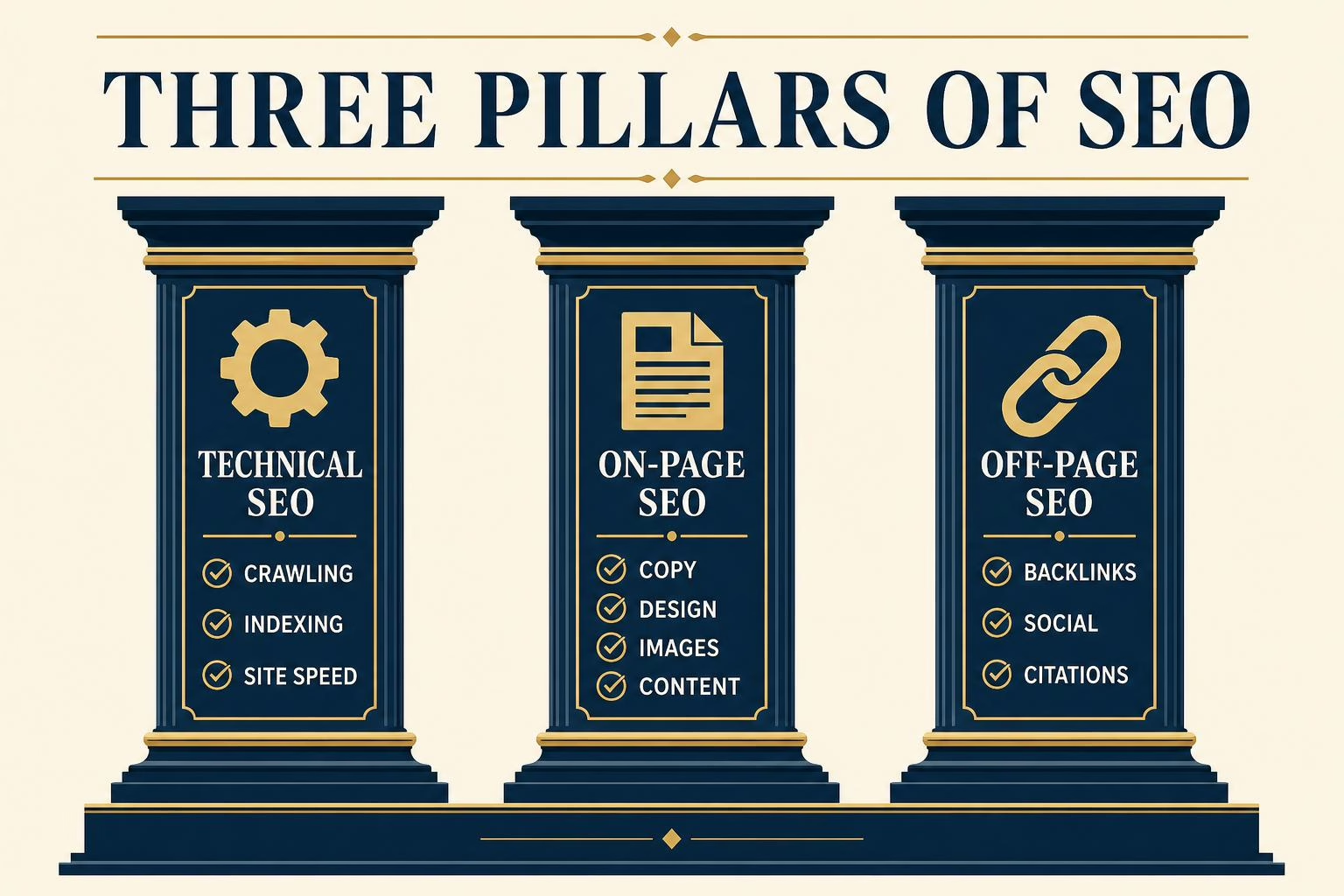
1. Technical SEO
This includes:
- Site speed
- Crawlability
- Structured data
- Internal linking
- Mobile optimization
- Indexing management
- Canonicalization
- Core Web Vitals
Technical issues become much larger at enterprise scale because even small errors can affect thousands of pages.
2. Content Strategy
Enterprise websites need organized, scalable content strategies.
This includes:
- Service pages
- Educational content
- Industry resources
- Local landing pages
- FAQ content
- Executive profiles
- Thought leadership
Many organizations also use detailed SEO project plans to manage content creation across departments.
3. Authority Signals
Google now measures trust beyond your own website.
Authority signals include:
- Brand mentions
- Backlinks
- Reviews
- Media coverage
- Industry citations
- Executive visibility
- User engagement
Modern SEO increasingly rewards recognized expertise and trusted brands.
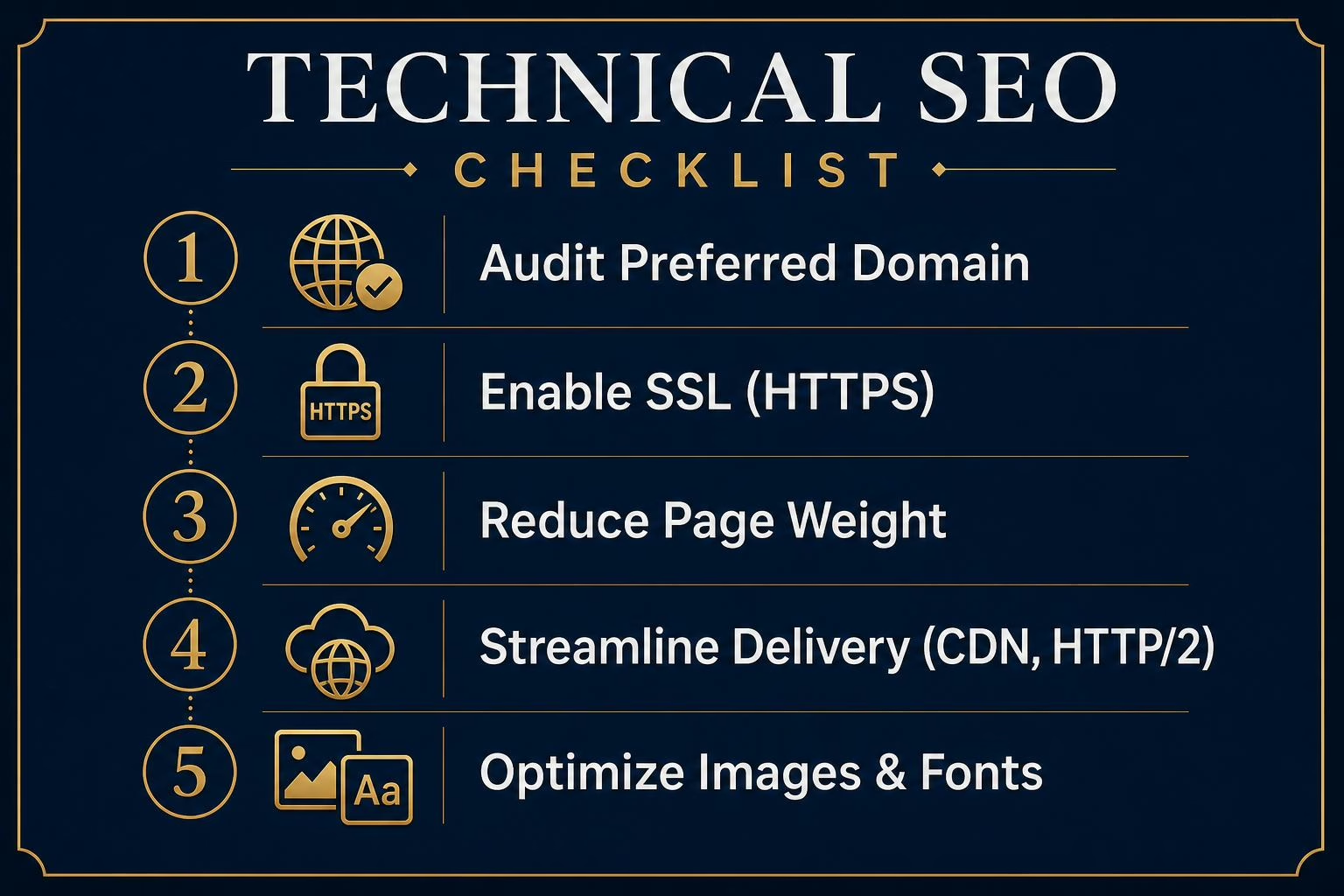
Technical SEO at Enterprise Scale
Technical SEO becomes much harder when websites grow.
Large companies often deal with:
- Broken internal links
- Duplicate content
- Index bloat
- Slow page speed
- CMS limitations
- JavaScript rendering issues
- Multiple subdomains
- Migration problems
One technical problem can quietly reduce visibility across thousands of pages.
This is why enterprise SEO usually requires ongoing technical audits instead of one-time fixes.
Many organizations also focus on improving sitelinks because stronger branded search results increase trust and click through rates. This guide explains how to get sitelinks in Google search results.
Enterprise Content Strategy
Enterprise content should answer real questions people search for.
The best enterprise SEO content is:
- Easy to understand
- Helpful
- Specific
- Updated regularly
- Structured clearly
- Built around search intent
Many enterprise websites still publish content only for keywords.
That approach is fading fast.
Google increasingly rewards content that demonstrates expertise, trust, and usefulness.
Strong enterprise content often includes:
- FAQ sections
- Step-by-step guides
- Industry insights
- Original data
- Case studies
- Expert commentary
Healthcare companies, for example, require especially high trust standards. That is why healthcare SEO requires stronger expertise and credibility signals.
At the same time, executives and founders increasingly invest in personal SEO strategies because branded searches influence trust in the company itself.
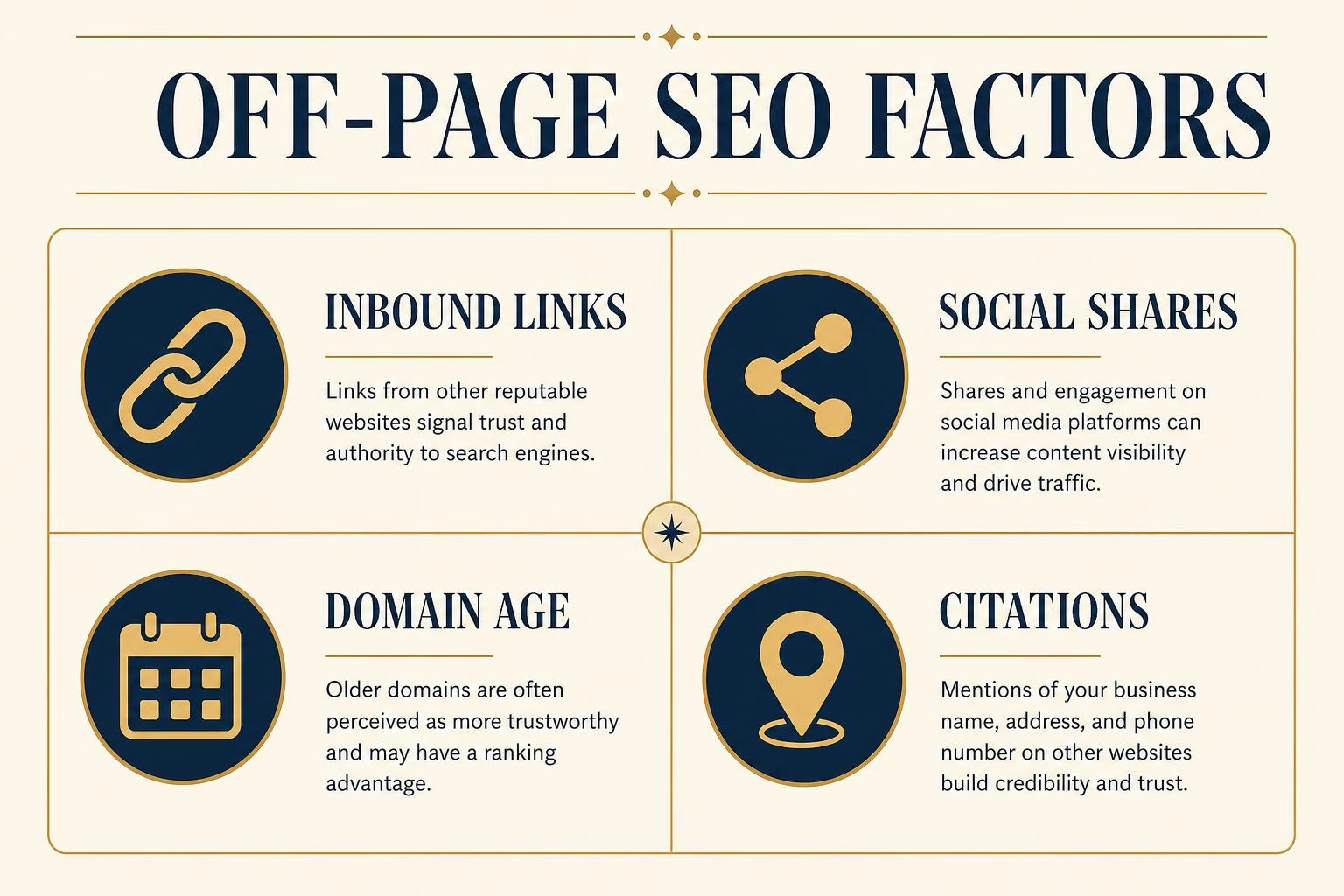
Authority and Off Page SEO Signals
Google uses signals from across the internet to understand trust.
That includes:
- Press mentions
- Reviews
- Third-party citations
- Social discussions
- Industry references
- Linked brand mentions
Brand mentions now matter more than many businesses realize.
Google increasingly understands brand context across the web, even without direct backlinks.
This guide explains what brand mentions mean for SEO.
Reviews also influence both trust and visibility.
Many companies underestimate how much Google reviews affect SEO rankings, especially in local search.
Local SEO for Enterprise Brands
Local SEO becomes extremely important for companies with physical locations.
This includes:
- Healthcare systems
- Franchises
- Retail chains
- Law firms
- Home service companies
- Financial institutions
Many enterprise brands struggle because location data becomes inconsistent across directories and platforms.
Google Business Profiles also create challenges when managing many locations at once.
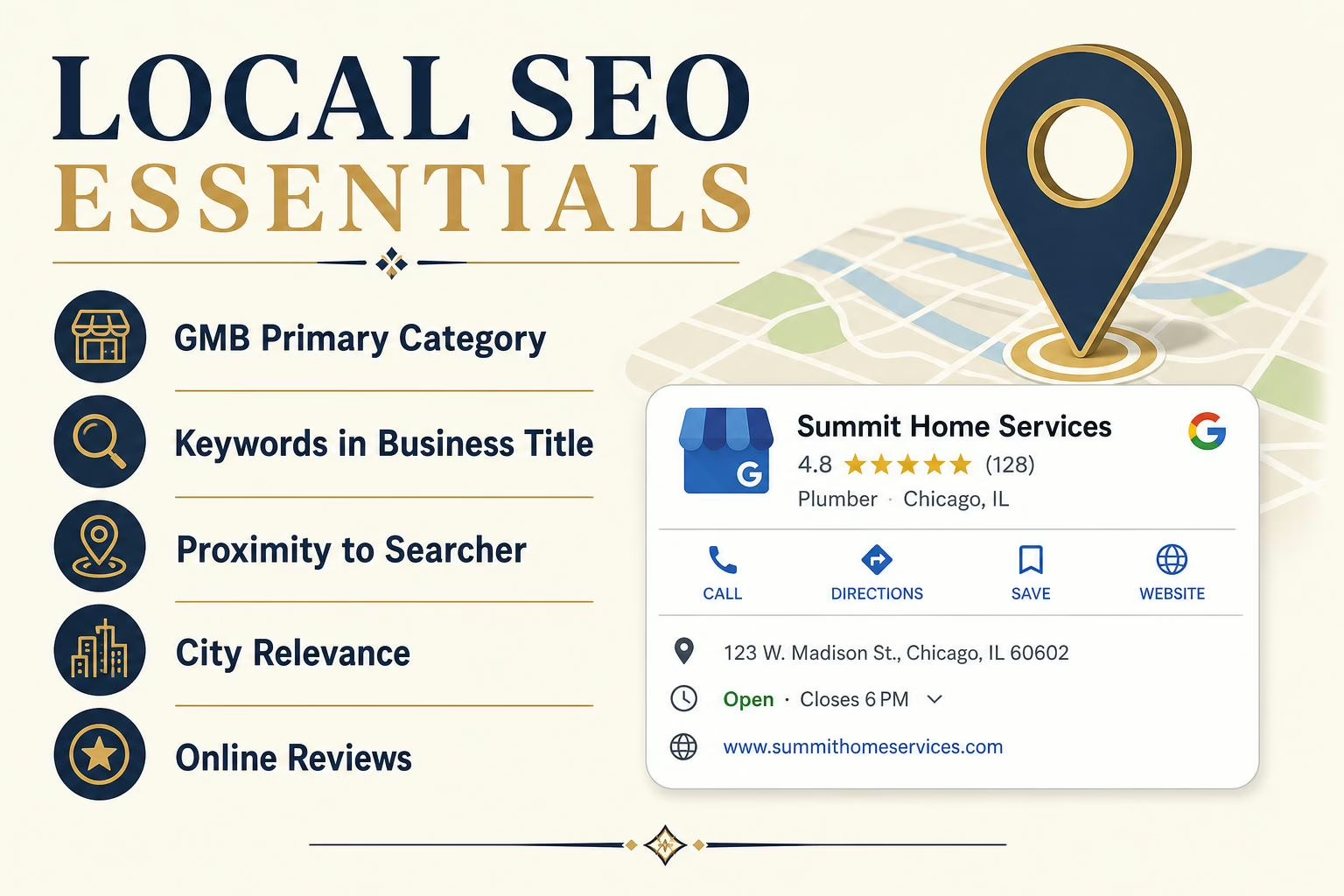
Successful enterprise local SEO usually includes:
- Optimized Google Business Profiles
- Location landing pages
- Review management
- Consistent NAP data
- Local citations
- Region-specific content
These resources help explain:
- Local SEO step-by-step strategies
- Google Business Profile optimization
- How Google ranks local businesses
- How to fix a suspended Google Business Profile
Franchise organizations also face unique SEO challenges because multiple locations compete within the same branded ecosystem. This guide covers SEO for franchise websites.
Enterprise SEO and AI Search
AI search is changing how users interact with Google.
Instead of clicking ten blue links, people increasingly rely on AI-generated summaries and direct answers.
That means enterprise brands now need content optimized for:
- Featured snippets
- AI summaries
- Conversational search
- Question-based searches
- Entity recognition
Search behavior also shifted toward predictive intent.
Google now groups related search behavior together through features like People Also Search For.
Many organizations are now adapting content strategies specifically for AI-driven search environments.
Why Reputation Management Now Affects SEO
Enterprise SEO and reputation management now overlap heavily.
Google evaluates trust signals across:
- Reviews
- Search sentiment
- News coverage
- Executive visibility
- Forum discussions
- Third-party sites
One negative issue can dominate branded search results quickly.
This is especially true during:
- Public controversies
- Legal disputes
- Customer complaints
- Executive scandals
- Social media backlash
Strong enterprise SEO today requires proactive reputation management, not just reactive cleanup.
Need Help Improving Enterprise Search Visibility?
NewReputation helps organizations strengthen search visibility, improve branded search results, support local SEO, and manage reputation signals across Google and AI-driven search platforms.
Request a Free SEO & Reputation ScanCommon Enterprise SEO Mistakes
Many large companies unintentionally create SEO problems internally.
Common mistakes include:
- Publishing thin content at scale
- Ignoring technical SEO debt
- Competing internal pages
- Weak local SEO management
- Inconsistent brand messaging
- Ignoring reviews and reputation signals
- Failing to optimize for AI search behavior
The biggest issue is usually fragmentation.
Different departments publish content without a unified SEO strategy.
Enterprise SEO works best when marketing, PR, development, operations, and leadership work together.
Frequently Asked Questions
What makes enterprise SEO different from regular SEO?
Enterprise SEO focuses on large websites, multiple stakeholders, technical scalability, local SEO management, and broader reputation signals across the internet.
Does enterprise SEO include reputation management?
Increasingly yes. Search engines now evaluate reviews, news coverage, brand mentions, and public trust signals alongside traditional SEO factors.
Why is technical SEO so important for enterprise websites?
Small technical problems can affect thousands of pages at enterprise scale, reducing crawl efficiency, indexing, and rankings.
How does AI affect enterprise SEO?
AI search systems increasingly summarize information directly. Enterprise brands now need content optimized for conversational search and AI-generated overviews.
Do reviews affect enterprise SEO rankings?
Yes. Reviews influence trust, click through rates, local visibility, and search perception.
Final Thoughts
Enterprise SEO is no longer just about ranking higher for keywords.
It is about controlling how your brand appears across search engines, AI summaries, reviews, local listings, and public conversations.
The companies winning search today build trust at scale.
They invest in technical SEO, helpful content, local visibility, authority signals, and reputation management together instead of treating them as separate projects.
Because in modern search, visibility without trust does not last very long.