Last Updated on 3 months ago by Admin
When someone searches your name on Google, what do they see?
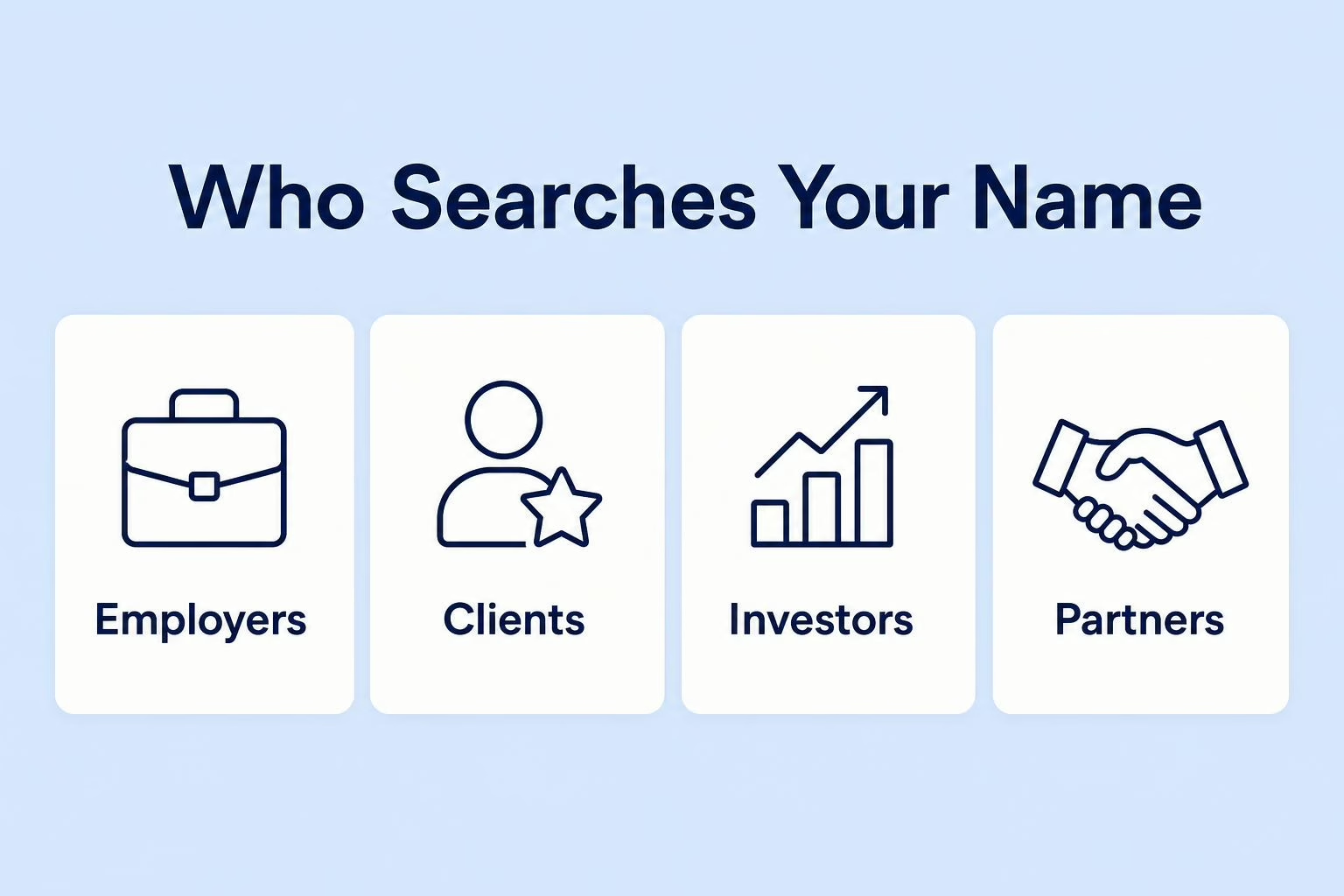
It could be a future employer. A client. A partner. Or someone deciding if they trust you.
This is where personal SEO comes in.
Personal SEO is the process of controlling what shows up when people search your name online. It helps you highlight the right content, push down negative results, and build a strong digital presence.
If you want to get your name on top of Google, this guide will show you exactly how to do it step by step.
What Is Personal SEO?
Personal SEO is search engine optimization focused on your name instead of a business or product.
The goal is simple:
- Make positive content rank higher
- Push down negative or irrelevant results
- Control your online narrative
This is a key part of personal reputation management. Instead of reacting to bad results, you build a strong foundation that works in your favor.
Why Personal SEO Matters in 2026
Search results are your first impression.
Most people never go past the first page. That means what shows up at the top shapes how others see you.
Personal SEO helps you:
- Build trust before a conversation starts
- Stand out in job searches or business deals
- Reduce the impact of negative content
- Create long-term control over your digital identity
Step-by-Step Personal SEO Strategy
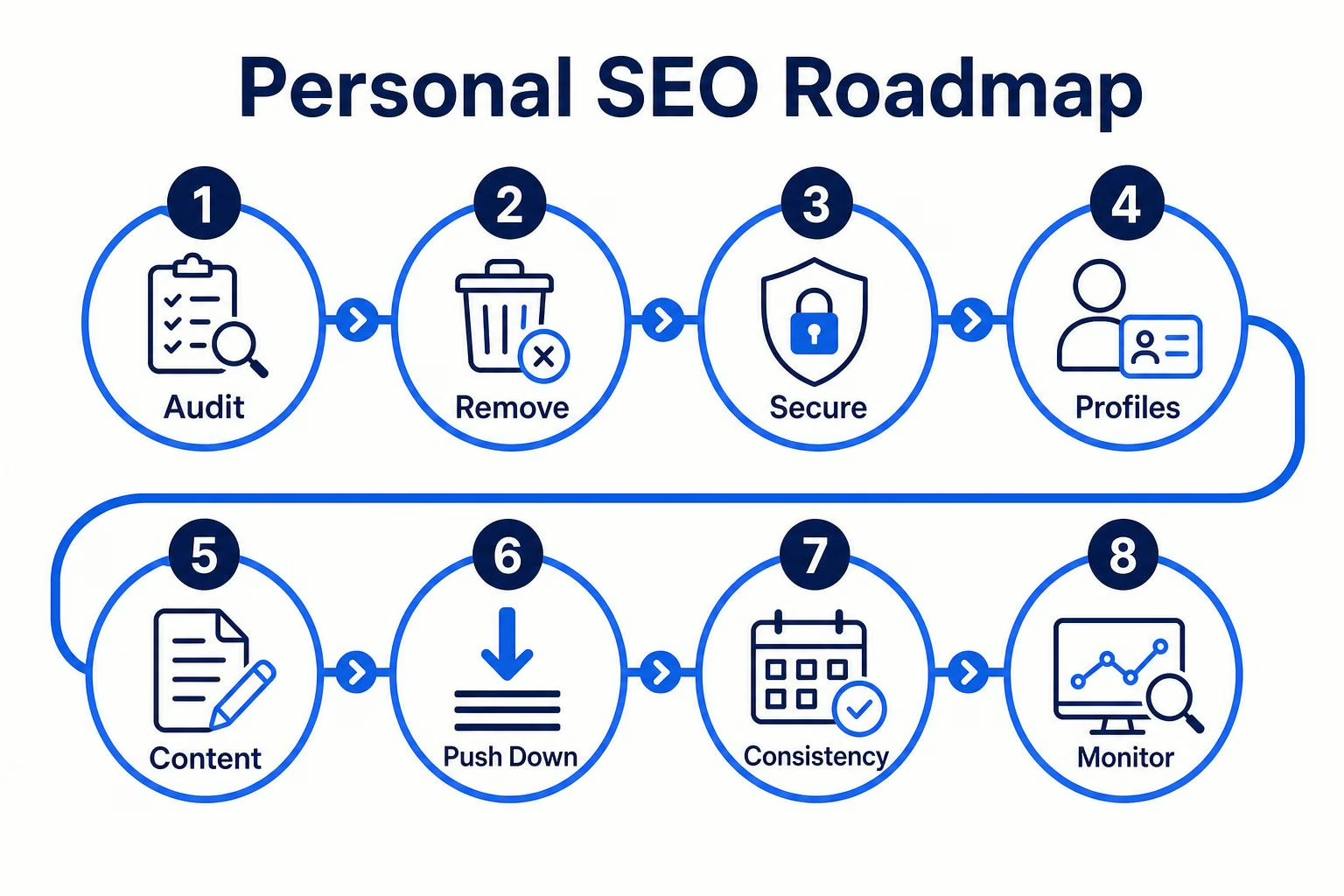
Step 1: Audit Your Current Search Results
Start by searching your name in Google.
Look at:
- What shows up on page one
- Which results are positive or negative
- What platforms appear most often
This gives you a clear starting point. If you want to go deeper, follow this online presence cleanup guide.
Step 2: Remove What You Can
Before building new content, remove what you can.
This includes:
- Old social profiles
- Outdated blog posts
- Personal data on data broker sites
Use tools like Google Results About You to remove sensitive information.
You can also follow a digital footprint removal guide for step-by-step help.
Step 3: Secure Your Name Online
Next, claim your name across major platforms.
- Twitter / X
- YouTube
- Personal website domain
Even if you do not use them right away, securing your name prevents others from taking it.
Step 4: Build High-Authority Profiles
Some platforms rank faster than others.
Focus on:
- LinkedIn (very strong for names)
- Personal website
- Medium or publishing platforms
- Industry directories
Use your full name naturally in:
- Profile titles
- Descriptions
- URLs when possible
This helps Google connect the content to your name.
Step 5: Create Content That Ranks
Content is the engine of personal SEO.
Create:
- Blog posts
- Guest articles
- Interviews
- Press mentions
- Videos
Each piece should include your name naturally.
This is how you build your personal brand while improving search results.
Step 6: Optimize for Your Name
Every page should clearly connect to you.
Include your name in:
- Page titles
- Headings
- Meta descriptions
- Image alt text
Keep it natural. Do not overuse it.
Step 7: Build Links to Your Content
Links help content rank higher.
You can get links from:
- Guest posts
- Interviews
- Business profiles
- Social media
The more trusted sites that link to your content, the stronger it becomes.
Step 8: Push Down Negative Results
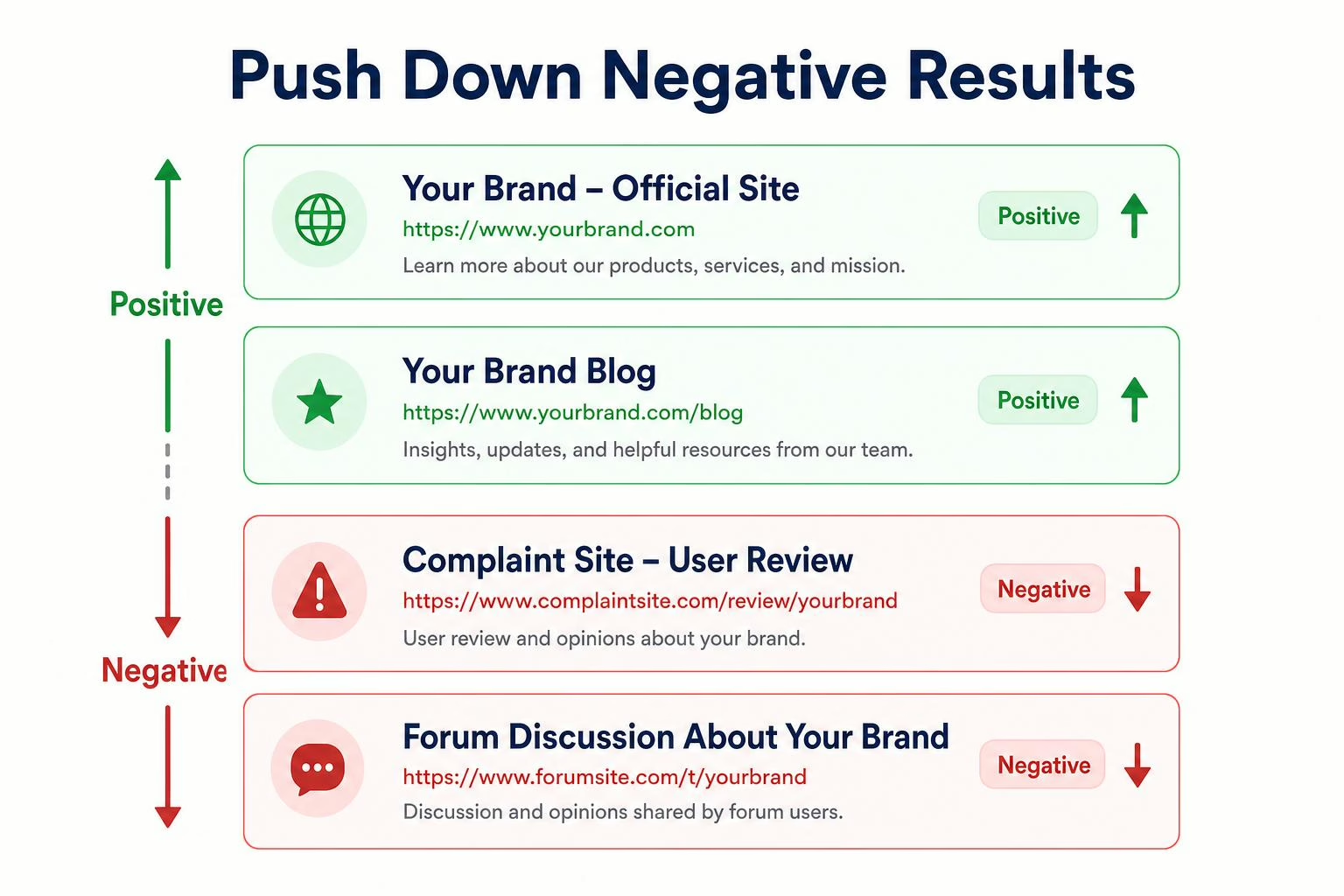
If you have negative results, you need to push them down.
This is done by creating stronger content that ranks higher.
Learn more about how to bury negative search results and use reverse SEO strategies.
Step 9: Build a Google Knowledge Panel
A knowledge panel can appear on the right side of search results.
It shows key information about you.
To increase your chances:
- Create consistent profiles
- Get mentions on trusted websites
- Build authority over time
Learn more about how a Google Knowledge Panel works.
Step 10: Monitor and Maintain
Personal SEO is ongoing.
Set a routine to:
- Search your name monthly
- Update profiles
- Publish new content
- Track changes
If you want to go further, you can even ungoogle yourself to reduce unwanted exposure.
Common Mistakes to Avoid
- Ignoring negative results
- Creating low-quality content
- Not using your full name consistently
- Stopping too early
Consistency is what drives results.
How Long Does Personal SEO Take?
Most people see early movement in 30 to 90 days.
Strong results usually take 3 to 6 months.
Highly competitive names may take longer.
FAQs
What is personal SEO in simple terms?
It is the process of improving what shows up when someone searches your name online.
Can I remove negative search results?
Some can be removed. Others need to be pushed down using stronger content.
Do I need a website?
Yes. A personal website gives you full control and often ranks well.
How many profiles should I create?
Start with 5 to 10 strong profiles. Focus on quality over quantity.
Is personal SEO worth it?
Yes. Your name is your brand. Controlling search results protects your future opportunities.
Related Guides
If you want to go deeper, these guides will help you expand your personal SEO strategy, protect your privacy, and take full control of your online presence.
- Social Media Privacy Issues – Understand the biggest risks and how to protect your accounts.
- Google Reputation Management – Learn how to control what shows up when someone searches your name.
- Impression Management – Shape how people perceive you online and offline.
- How to Use SEO for Reputation Management – Turn SEO into a long-term strategy to build trust and visibility.
- How to Delete Content From the Internet – Step-by-step methods to remove harmful or unwanted content.
- Vanity URL Guide – Claim your name online and strengthen your personal brand.
Final Thoughts
Personal SEO gives you control.
Instead of reacting to what shows up, you shape it.
Start with a search. Build strong profiles. Create useful content. Stay consistent.
Over time, you will own your search results.
Need Help?
If you want help building your personal SEO strategy, NewReputation can help you remove negative content, build authority, and take control of your search results.