Last Updated on 4 months ago by Admin
Yes, and it’s easier than most people expect.
Your phone number is connected to more personal data than most people realize. With the right tools, someone can trace it back to your name, home address, and other private details in minutes. No hacking required.
If you’ve ever wondered whether someone could look up where you live just by knowing your number, the answer is yes. And it doesn’t take a private investigator or technical skill to do it.
This guide explains exactly how it works, who can do it, and what you can do right now to reduce your exposure.
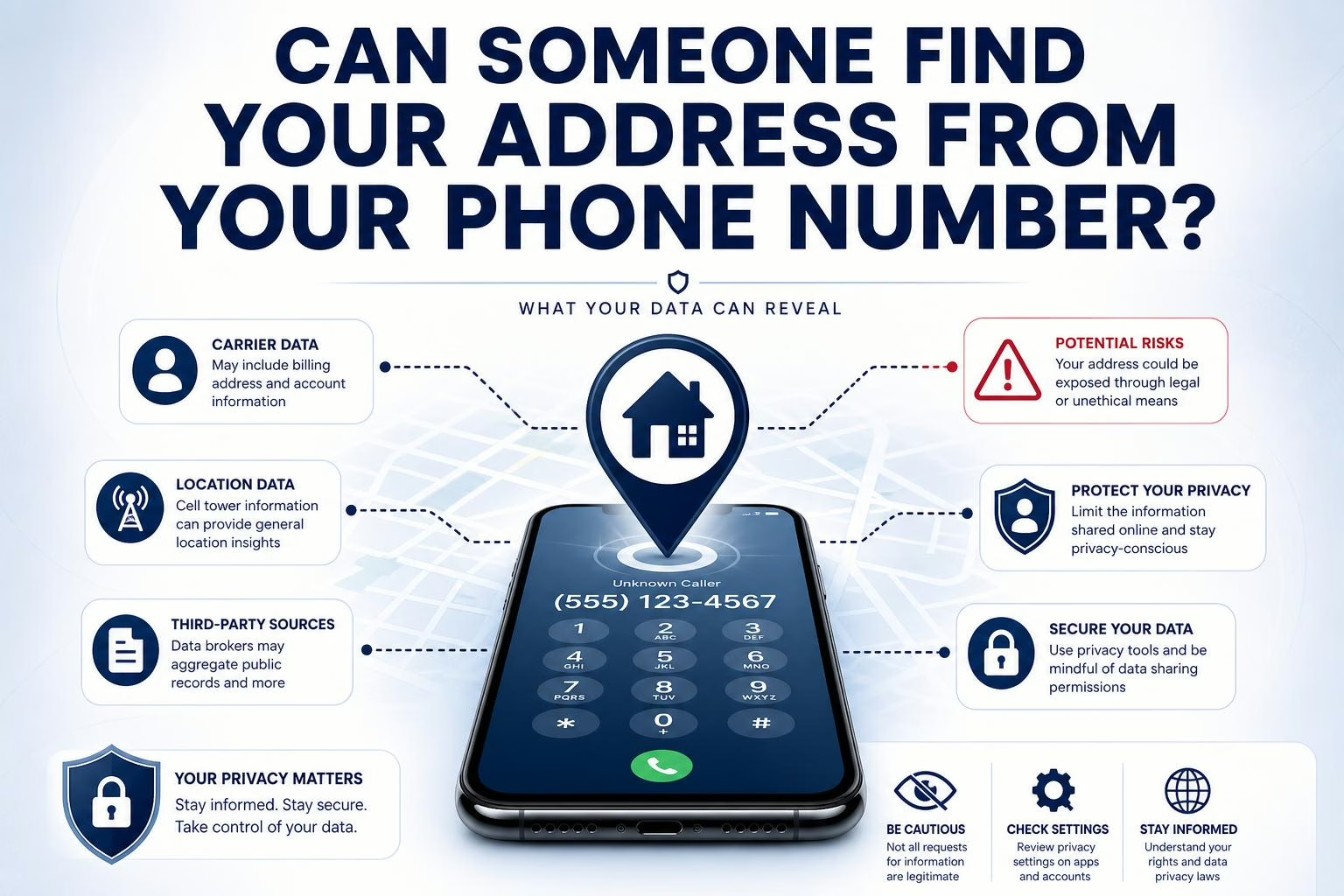
Table of Contents
- How someone can find your address from your phone number
- Can someone track your location with just your phone number?
- What are the real risks when someone has your number?
- How to protect yourself
- What information can someone actually get from your phone number?
- Frequently asked questions
- The bottom line
How Someone Can Find Your Address From Your Phone Number
There are several ways people use a phone number to locate someone. Some are legal. Some are not. All of them are worth understanding.
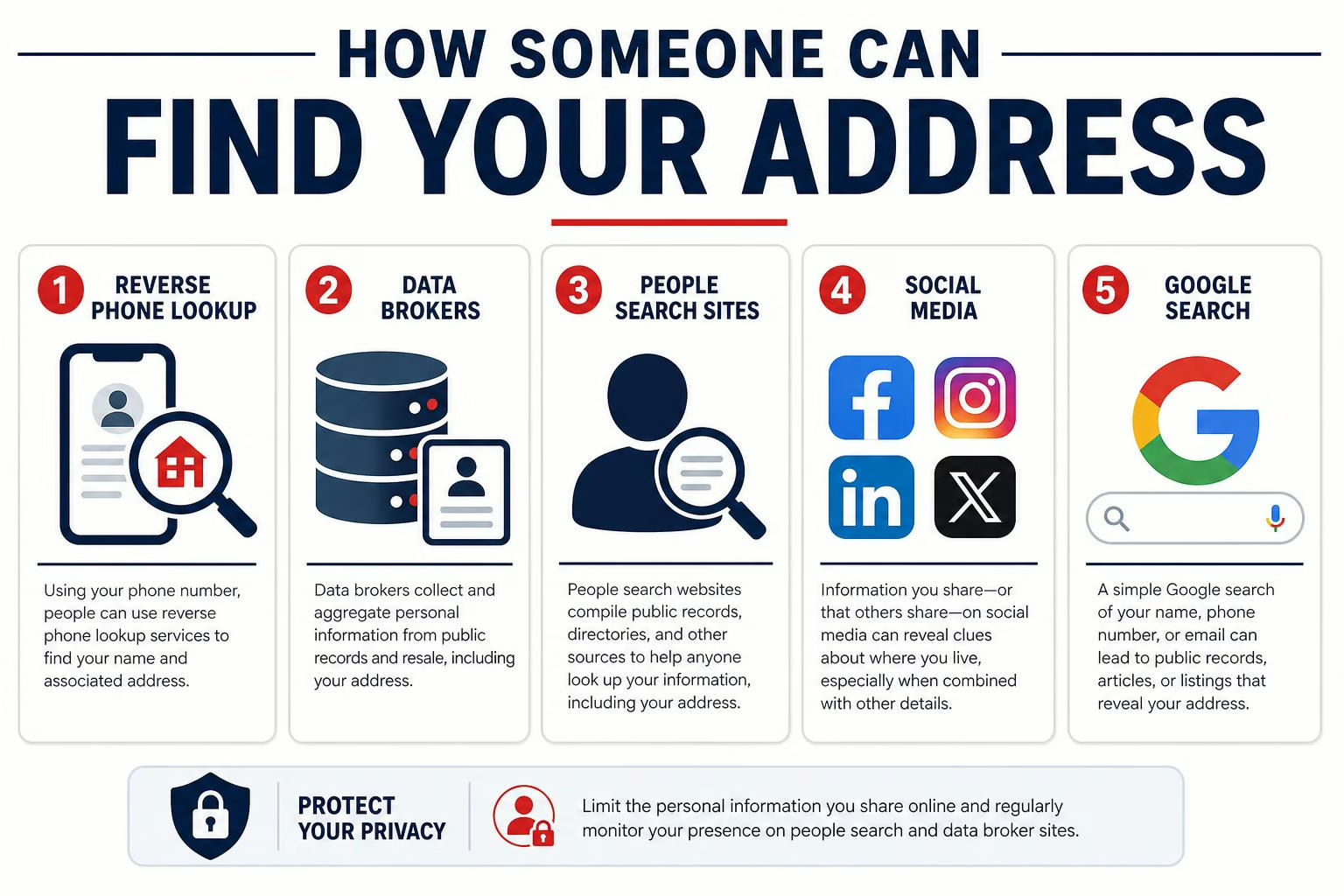
1. Reverse Phone Lookup Services
Reverse phone lookup sites let anyone type in a phone number and pull up associated personal information. Many of these results include:
- Full name
- Current and past addresses
- Email addresses
- Relatives and associates
- Social media profiles
Popular services like Whitepages, Spokeo, and BeenVerified pull this data from public records, data brokers, and other sources. Most are free to use for basic searches. If you want to see what these sites currently show for your number, our reverse phone number lookup opt-out guide walks through the removal process for each platform.
What makes this risky: These sites compile information without your permission. Anyone with your number can search it. You likely won’t know they did.
2. Data Brokers
Data brokers are companies that collect, package, and sell personal information. They pull data from:
- Voter registration records
- Property records
- Loyalty programs
- Social media activity
- App usage and purchase history
Your phone number often acts as a linking identifier, connecting your offline and online data into a single profile. That profile may include your home address. This is a core part of what makes up your digital footprint, and it grows larger over time without most people noticing.
3. People Search Sites
People search sites are a consumer-facing version of data broker databases. Sites like Intelius, TruthFinder, and Radaris allow users to search by name, phone number, or address.
Many people don’t realize their information is listed on these platforms, or that it’s publicly searchable by phone number. You can request removal directly from several of them. Step-by-step guides are available for Whitepages, Radaris, TruePeopleSearch, FastPeopleSearch, PeopleLooker, and CyberBackgroundChecks.
4. Social Media and Public Profiles
If you’ve ever added your phone number to a social media account on Facebook, Instagram, or LinkedIn, there’s a chance someone can use it to find your profile. Some platforms allow users to search by phone number, even with privacy settings in place.
Once someone finds your profile, they may be able to piece together your location, employer, and daily routine.
5. Google Search
Simply searching your phone number on Google can surface surprising results. Old forum posts, business listings, or directories where your number appears alongside your name or address can all show up. Our guide to removing your personal information from Google covers how to request removals from search results directly.
Try it yourself. You might be surprised what comes up.
Do You Know What Shows Up When Someone Searches Your Phone Number?
Get a free First Impression Report from NewReputation. We’ll show you what appears when people search your name and number, where your data is exposed, and what steps can help reduce your risk.
- See which sites list your address and personal details
- Identify your highest-risk data broker listings
- Get a simple action plan to reduce your exposure
Can Someone Track Your Location With Just Your Phone Number?
This is where things get more serious.
In most cases, the average person cannot track your real-time GPS location using only your phone number. But there are exceptions, and some methods are more accessible than they should be.
Cell Tower Triangulation
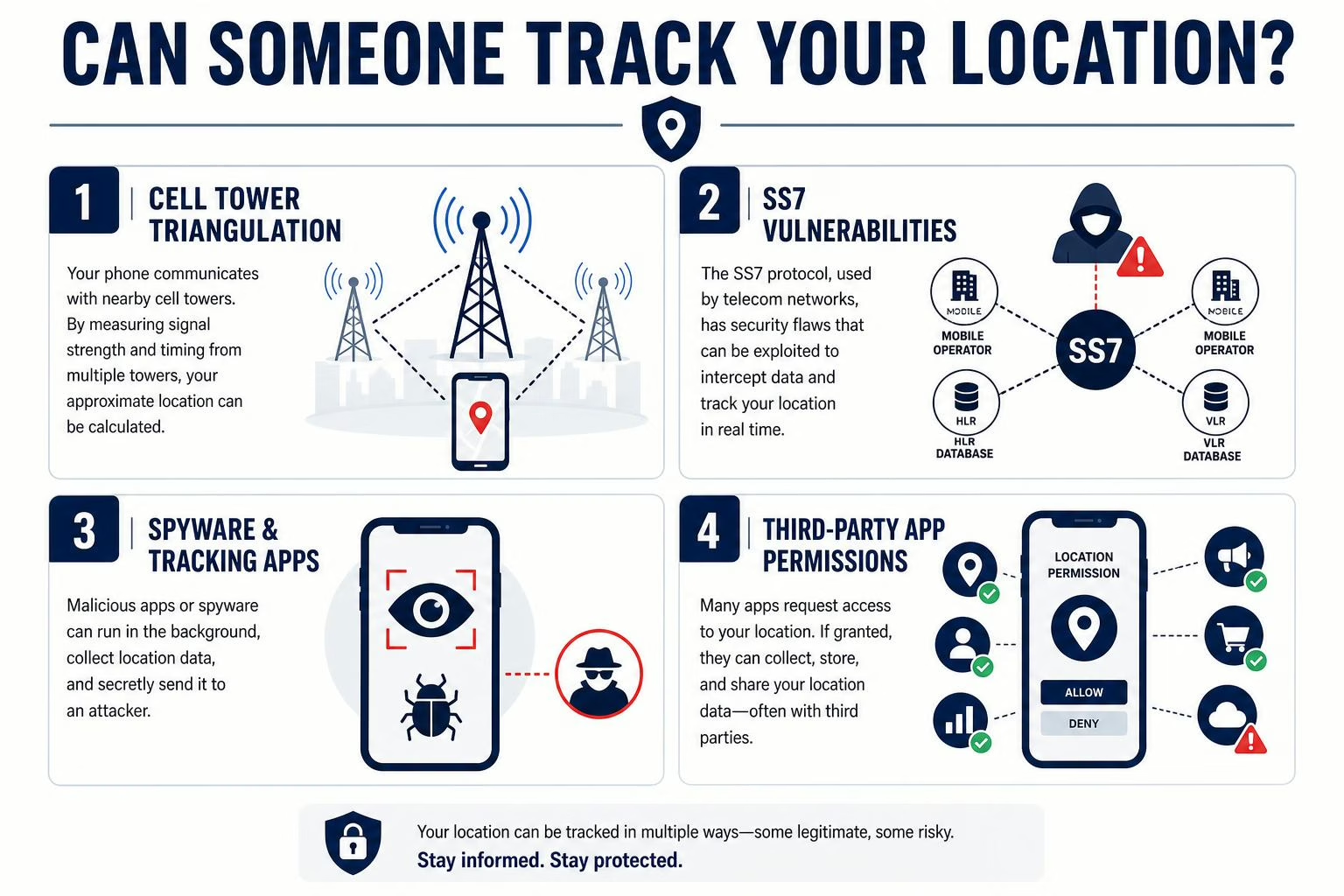
Mobile networks know where your phone is based on which cell towers it connects to. Your carrier holds this location data. Law enforcement can access it through legal channels. In some cases, bad actors have obtained it illegally through SS7 protocol vulnerabilities, a known weakness in mobile network infrastructure.
Carrier Vulnerabilities and SS7 Exploits
SS7, or Signaling System 7, is an old protocol used by telecom networks worldwide. Security researchers have shown that someone with access to SS7 can intercept calls, read texts, and track a phone’s location using just its number.
This type of attack is not available to the average person. But it has been used by organized criminals, foreign governments, and rogue insiders.
Spyware and Location-Tracking Apps
If someone installs spyware on your device even once, they may be able to monitor your GPS location continuously. Some apps are marketed as parental control tools but work the same way when used without consent.
Signs of spyware include:
- Battery draining faster than usual
- Phone running hot when idle
- Unfamiliar apps in your app list
- Unusual data usage spikes
Third-Party Apps With Excessive Permissions
Many apps request location permissions they don’t actually need. When you grant those permissions, the app and any third-party companies it shares data with can build a detailed record of where you go.
Over time, this location data can be sold, shared, or exposed in a data breach. A VPN won’t stop this on its own, but combined with tighter app permissions, it reduces how much location data leaks out.
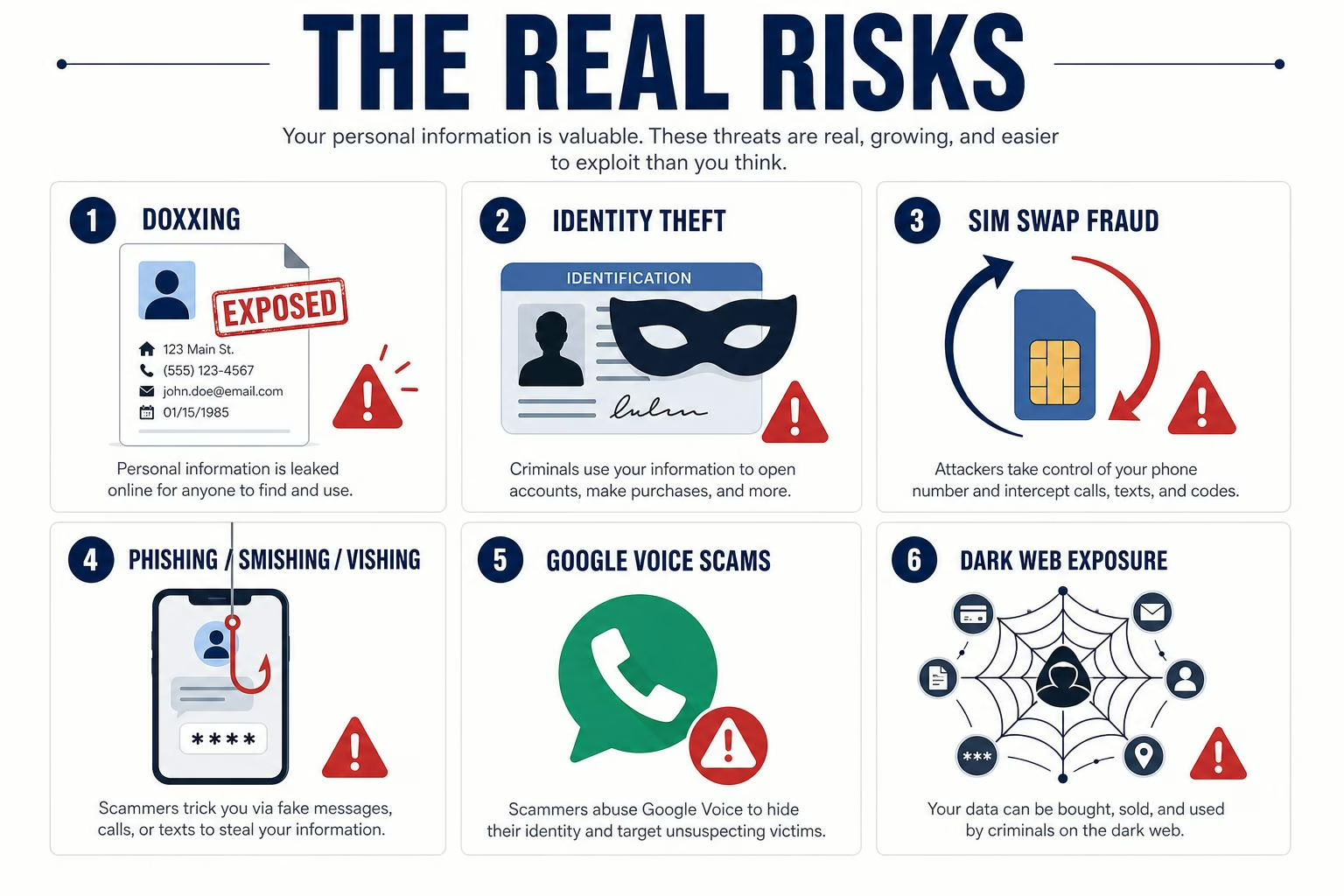
What Are the Real Risks When Someone Has Your Phone Number?
Finding your address is one concern. But the risks go further.
Doxxing
Doxxing means publishing someone’s private information, including their address, without consent. It’s usually done to harass or intimidate. A phone number is often the starting point. If you want to understand how this escalates, our guide on what is doxxing covers the full picture.
Identity Theft
With your name, phone number, and address, a bad actor has enough to begin the identity theft process. Combined with data found elsewhere, they may be able to open credit accounts, file false tax returns, or impersonate you. Our guide to protecting your personal information from hackers and identity theft goes deeper on this threat.
SIM Swap Fraud
SIM swapping is when a criminal convinces your carrier to transfer your phone number to a SIM card they control. Once they have your number, they can:
- Intercept two-factor authentication codes
- Reset passwords on your bank, email, and other accounts
- Lock you out of your own accounts
This attack has been used to steal cryptocurrency, drain bank accounts, and access email archives.
Phishing, Smishing, and Vishing
Once someone has your number, they can target you with several types of scams:
- Smishing is phishing via text message
- Vishing involves phone-based scams where someone impersonates a trusted organization
- Spoofing means calls that appear to come from a legitimate number
These attacks are more convincing when the attacker already knows your name and address. Spoofing can also work the other way. If your number is being used to make calls you didn’t place, read our guide on what to do when your phone number is being spoofed.
Google Voice Scams
A common scam works like this: someone texts you asking to verify a Google Voice code they claim to have sent you. If you share that code, they can create a Google Voice number linked to your real number and use it for fraud.
Dark Web Exposure
If your phone number was part of a data breach, it may already be circulating on the dark web, often bundled with your address, email, and other details. Checking your exposure is part of any solid personal information protection plan.
How to Protect Yourself
You can’t make your information invisible overnight. But you can significantly reduce your exposure with a few focused steps.
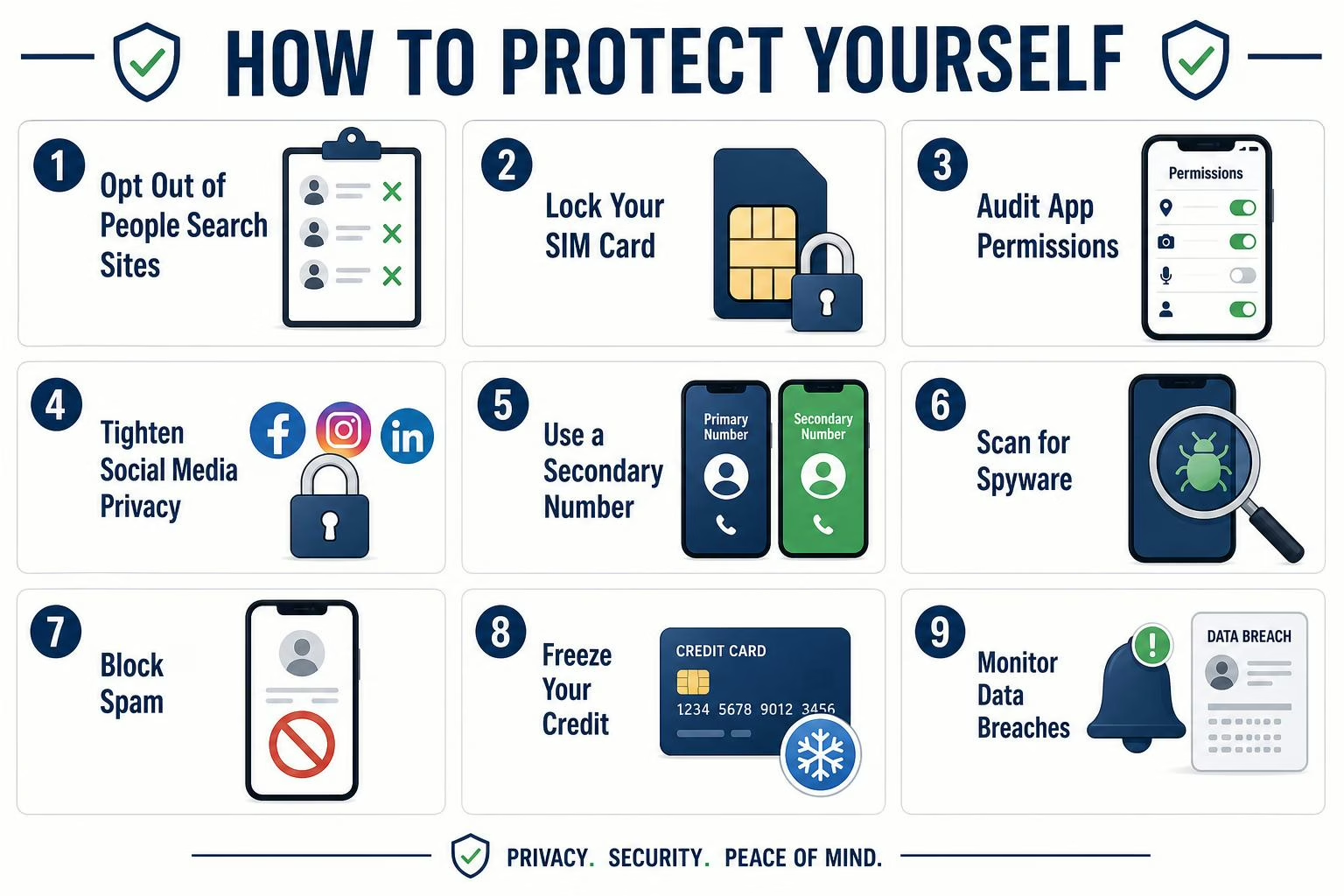
1. Opt Out of People Search Sites
This is the most important step. Most people search and data broker sites offer an opt-out process. It takes time, but it works.
Sites to prioritize:
- Whitepages
- Radaris
- TruePeopleSearch
- FastPeopleSearch
- PeopleLooker
- CyberBackgroundChecks
- CourtCaseFinder
You’ll need to submit removal requests to each one individually. Services like NewReputation handle this at scale, monitoring for re-listings and managing ongoing removals for you. For a broader view of the process, our digital footprint removal guide covers the full scope of what needs to be addressed.
2. Make Your Phone Number Unsearchable
Beyond opt-outs, there are proactive steps you can take to reduce how searchable your number is in the first place. Our guide on how to make your phone number unsearchable covers the specific settings and actions that help.
3. Lock Your SIM Card
Set a SIM PIN through your phone’s settings. This prevents someone from swapping your SIM even if they have your account credentials.
You can also contact your carrier and ask them to add a port freeze or account-level PIN requirement before any SIM changes can be made.
4. Audit Your App Permissions
Go through your phone’s permissions manager and review which apps have access to your location. Revoke permissions for any app that doesn’t clearly need them.
For most apps, choose “Only while using” rather than “Always.”
5. Tighten Social Media Privacy Settings
Review your settings on each platform:
- Turn off the option to let others find you by phone number
- Limit who can see your contact information
- Avoid posting your location in real time
6. Use a Secondary Number
Consider using a Google Voice number or a virtual phone number for online signups, forms, and services you don’t fully trust. Keep your real number limited to people and organizations you know.
7. Scan for Spyware
If you suspect your phone has been compromised, use a reputable anti-spy tool to scan for hidden apps or malicious software. Check your app list manually and remove anything unfamiliar.
8. Block Spam Calls and Texts
Use built-in call-blocking features or a spam-blocking app to filter out unsolicited contact. This also reduces your exposure to phishing and smishing attempts.
9. Freeze Your Credit
A credit freeze is free and prevents new credit accounts from being opened in your name, even if someone already has your personal information.
10. Monitor for Data Breaches
Use a breach monitoring tool to get alerts when your email or phone number appears in a known data breach. This gives you time to act before damage is done.
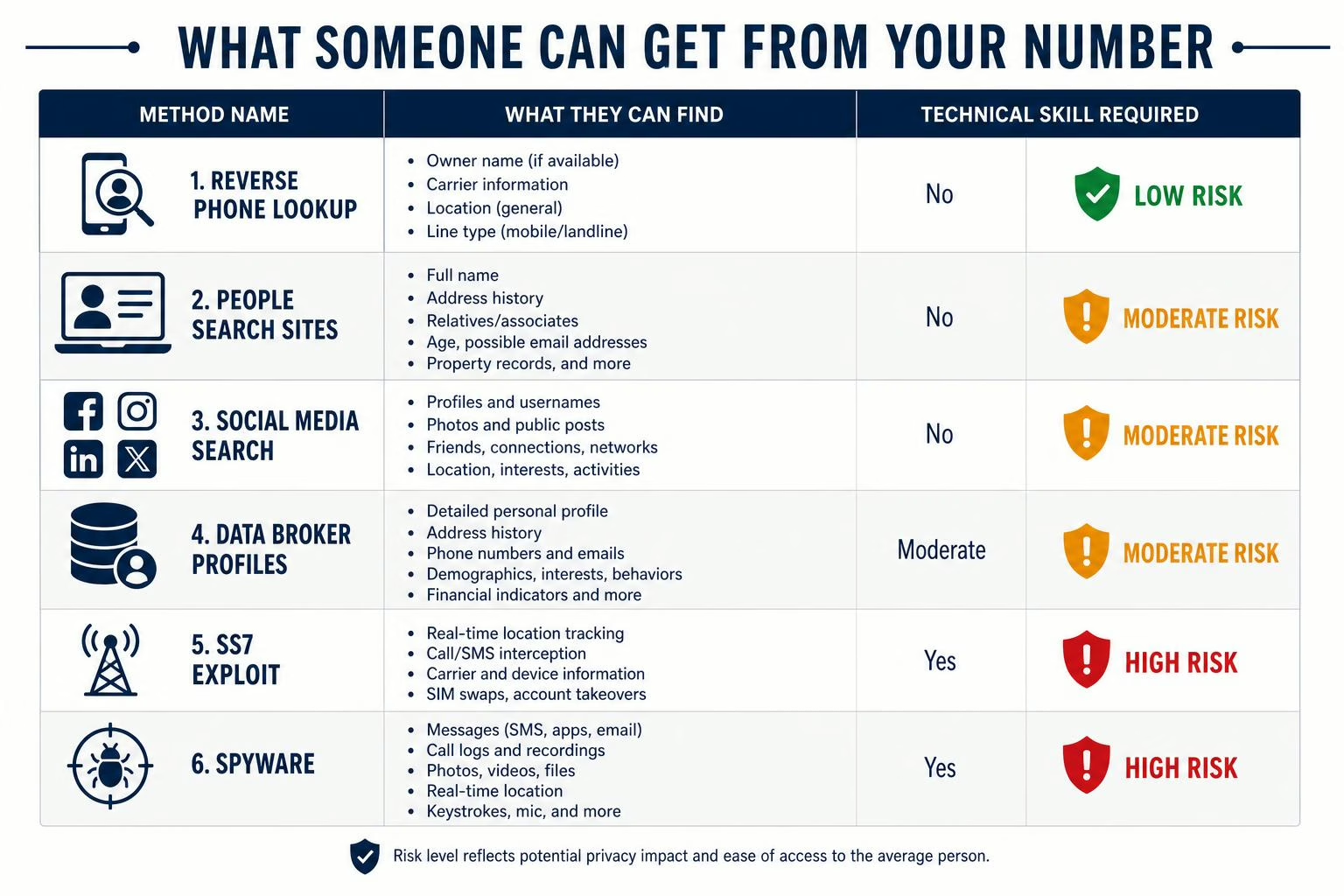
What Information Can Someone Actually Get From Your Phone Number?
Here’s a quick summary:
| Method | What They Can Find | Requires Technical Skill? |
|---|---|---|
| Reverse phone lookup | Name, address, relatives | No |
| People search sites | Full profile, history | No |
| Social media search | Profile, location clues | No |
| Data broker profiles | Extensive personal data | No |
| SS7 exploit | Real-time location | Yes (advanced) |
| Spyware | GPS, calls, texts | Moderate |
| SIM swap | Account access | Moderate |
The biggest threats for most people are data brokers and people search sites, not hackers. The information is already out there. The goal is to limit how much is available and how easily it can be connected.
Frequently Asked Questions
Can someone find my address just from my cell phone number?
Yes, in many cases. Reverse phone lookup tools and data broker sites can link your phone number to your name and address using publicly available records. No special skills are required.
Is reverse phone lookup legal?
In the United States, reverse phone lookup is generally legal when used for personal research. It becomes illegal when used for harassment, stalking, or other unlawful purposes.
Can someone track my location in real time with my phone number?
Not easily. Real-time tracking via phone number typically requires carrier-level access or spyware installed on your device. The average person cannot do this. That said, cell carriers do maintain location records, and historical location data can sometimes be accessed through legal or illegal channels.
How do I get my information removed from data broker sites?
Each site has its own opt-out process. You’ll need to submit a removal request to each one individually. It’s a time-consuming process, and listings often come back. A reputation management service can handle this on an ongoing basis.
What is SIM swapping and should I be worried?
SIM swapping is when someone transfers your phone number to their device, usually to bypass two-factor authentication. It’s not common, but it can cause serious damage when it happens. Locking your SIM and setting a carrier PIN significantly reduces your risk.
Does putting my number on the Do Not Call Registry protect my privacy?
The Do Not Call Registry limits telemarketing calls but does not remove your information from data broker databases or people search sites.
What is the fastest way to reduce how much information is tied to my phone number?
Start with opt-outs on the major people search sites listed above, then tighten your social media privacy settings so your number can’t be used to find your profile. Those two steps address the most common and accessible methods.
The Bottom Line
Your phone number is more than a way to reach you. It connects your name, address, location history, and online identity in ways most people never consider.
Most of the real risks here are preventable. Opt out of data broker sites, lock your SIM, audit your app permissions, and limit where you share your number. Those four steps alone put you ahead of most people.
If you want to go further, your personal SEO and online reputation management both play a role in controlling what people find when they search for you. And if you’re not sure where your information is exposed right now, our digital footprint removal guide is a good place to start.
If you’re comparing services that handle this work for you, our roundup of the best reputation management companies covers what to look for.
Find Out Where Your Information Is Exposed
Get a free First Impression Report from NewReputation. We’ll show you what appears for your name and number, which sites have your address listed, and what you can do to reduce your exposure.
- See where your personal information is publicly listed
- Identify your highest-risk data broker and people search listings
- Get a clear plan to take back control of your privacy