Last Updated on 2 months ago by Admin
Cyberbullying is no longer just a teenage problem.
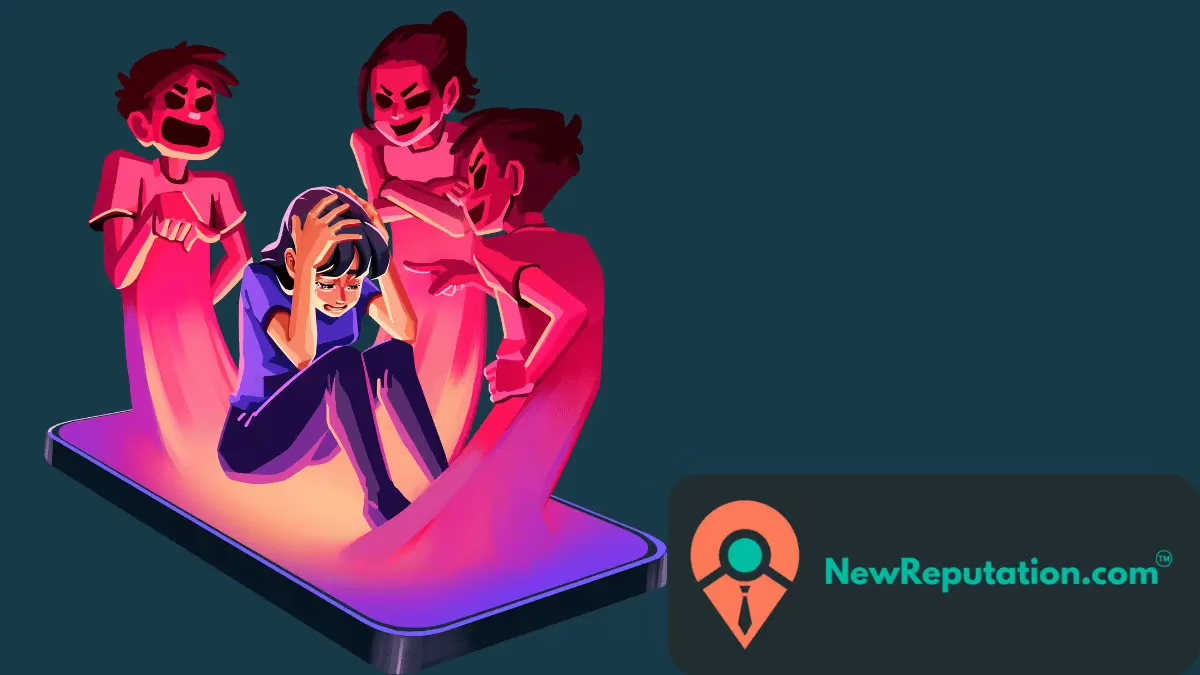
It affects students, professionals, business owners, creators, employees, and families. One post, rumor, screenshot, or targeted attack can spread across the internet fast. In many cases, the damage follows people for years.
The hardest part is that online harassment rarely stays in one place. It moves through social media, search engines, group chats, forums, review platforms, and anonymous websites. What starts as a few comments can quickly turn into reputation damage, emotional stress, and long-term privacy concerns.
At NewReputation, we regularly help people deal with online harassment, damaging search results, impersonation, doxxing, false accusations, and reputation attacks tied to cyberbullying.
The internet does not forget easily. That is why early action matters.
Table of Contents
- What is cyberbullying?
- Why cyberbullying is more dangerous today
- Common forms of cyberbullying
- The mental health impact
- How cyberbullying damages online reputation
- What to do if you are being cyberbullied
- Can cyberbullying content be removed?
- How parents and employers should respond
- Protecting your digital footprint
- Frequently asked questions
What Is Cyberbullying?
Cyberbullying is repeated harassment, intimidation, humiliation, or abuse that happens online or through digital communication.
This can include:
- Threatening messages
- Public humiliation
- Fake rumors
- Posting embarrassing photos
- Doxxing
- Impersonation accounts
- Harassing comments
- Coordinated attacks
- Revenge content
- Fake reviews
- Anonymous gossip posts
Unlike traditional bullying, cyberbullying follows people everywhere. Phones, laptops, social apps, and search engines make it constant.
The emotional impact can become overwhelming because there is often no clear escape from it.
If the harassment has turned into repeated unwanted contact, this guide on how to deal with an online stalker may help you understand your next steps.
Why Cyberbullying Is More Dangerous Today
Years ago, harmful comments disappeared quickly.
Today, screenshots, reposts, archives, and search indexing make online attacks last much longer. Even deleted content may continue circulating online.
Social media algorithms can also amplify negativity. Controversial or emotional posts often receive more engagement, which increases visibility.
Anonymous platforms make things worse because attackers feel protected behind fake usernames and temporary accounts.
Some cyberbullying campaigns are personal. Others become public pile-ons where strangers join simply because something is trending.
This is why understanding social media privacy issues matters. The more public information available about you, the easier it becomes for someone to use it against you.
Worried About What People See When They Search You?
Get a free First Impression Report from NewReputation. We will review what appears online, identify harmful or outdated results, and show where your reputation may be at risk.
- Review your Google search results and online mentions
- Identify harassment, impersonation, or privacy risks
- Get a simple plan to protect your online reputation
Common Forms of Cyberbullying
Cyberbullying does not always look obvious at first.
Some attacks are direct. Others are subtle and designed to slowly damage someone’s reputation over time.
Harassment and Threats
This includes repeated insults, threatening messages, hate comments, or targeted intimidation across platforms.
Victims often receive attacks through:
- TikTok
- Discord
- X
- Snapchat
- YouTube comments
- Anonymous apps
If threats turn into blackmail, report and document everything. These guides on reporting internet blackmail and Snapchat blackmail may help.
Doxxing
Doxxing happens when someone publishes private information online to intimidate or embarrass another person.
This may include:
- Home addresses
- Phone numbers
- Employer information
- Family details
- Private photos
Public exposure of personal information increases both safety risks and emotional stress. Learn more about what doxing is and how it can affect your safety.
Fake Accounts and Impersonation
Some attackers create fake profiles pretending to be someone else. These accounts may post offensive content or contact people to cause embarrassment and confusion.
Impersonation can damage both personal and professional reputations quickly.
Gossip and Defamation Sites
Anonymous gossip platforms and forums can become major sources of reputation damage.
Sites built around rumors or anonymous accusations often rank in Google search results for years. Platforms like gossip blogs and anonymous posting sites have historically created serious reputation problems for individuals and businesses.
If false claims are involved, you may also need to understand internet defamation.
Some sites have their own removal process. For example, this guide explains how to remove information from TheDirty.com.
Revenge Content and Private Images
One of the most painful forms of cyberbullying involves private or intimate content being shared without consent.
If this happened to you, take action quickly. These guides explain what to do if someone posts your nudes and how revenge porn removal works.
The Mental Health Impact of Cyberbullying
Many people underestimate how emotionally damaging online harassment becomes over time.
Victims often experience:
- Anxiety
- Depression
- Isolation
- Sleep problems
- Fear of posting online
- Loss of confidence
- Panic attacks
- Stress at work or school
The worst part is often the feeling that the situation is public and permanent.
People begin searching their own names constantly. They worry about employers, clients, friends, or family finding harmful content online.
That emotional pressure builds quickly.
If you feel unsafe or at risk of immediate harm, contact local authorities or a trusted crisis support resource right away.
How Cyberbullying Damages Online Reputation
Online reputation damage usually happens in three ways.
1. Search Engine Visibility
Negative posts, gossip threads, screenshots, and accusations can begin appearing in Google search results.
This becomes a long-term issue because many people search names before making decisions.
Employers, clients, schools, and business partners often look online first.
2. Social Proof Damage
Public attacks affect how others perceive credibility and trustworthiness.
Even false accusations can influence opinions if repeated enough online.
3. Digital Footprint Expansion
Once harmful content spreads across multiple platforms, it becomes harder to contain. Public digital footprints can expose people to continued harassment and reputational harm long after the original event.
To understand why this matters, read more about the consequences of a digital footprint.
What To Do If You Are Being Cyberbullied
The first step is simple.
Do not respond emotionally.
Public arguments often escalate the situation and create more screenshots or searchable content.
Document everything
Save:
- Screenshots
- URLs
- Usernames
- Dates
- Threatening messages
- Fake accounts
- Search results
Documentation becomes important if reporting or legal action becomes necessary.
Report content quickly
Most major platforms allow users to report:
- Harassment
- Impersonation
- Threats
- Doxxing
- Non-consensual content
Fast reporting sometimes prevents wider spread.
Lock down privacy settings
Review all public profiles immediately.
Remove unnecessary personal details like:
- Phone numbers
- Addresses
- Location tags
- Public friend lists
- Workplace details
Privacy controls matter more than many people realize. This guide on how to protect your online privacy can help you tighten your settings.
Avoid feeding the attack
Many online attackers want reactions.
Constant public engagement often increases visibility and encourages more harassment.
Monitor search results
Search your name regularly to see what appears publicly.
This helps identify:
- Harmful posts
- Indexed screenshots
- Fake profiles
- Forum discussions
- News mentions
You can also use Google Results About You to find and request removal of certain personal information from Google.
Can Cyberbullying Content Be Removed?
Sometimes yes. Sometimes partially.
Removal depends on:
- Platform policies
- Privacy violations
- Copyright issues
- Harassment guidelines
- Defamation laws
- Search engine policies
Some content can be deleted completely. Other situations require suppression strategies that push harmful results lower in search rankings.
This often involves:
- Positive content creation
- SEO improvements
- Profile optimization
- Press placements
- Reputation monitoring
- Privacy cleanup
If harmful content is ranking in Google, this guide on how to bury negative search results explains how suppression works.
You can also read more about how to remove information from the internet.
How Parents and Employers Should Respond
One mistake adults often make is dismissing online harassment as “internet drama.”
That approach usually makes victims feel isolated.
Parents and employers should:
- Listen seriously
- Document evidence
- Avoid public escalation
- Report threats immediately
- Protect personal information
- Monitor emotional health
- Seek professional support if needed
Cyberbullying affects work performance, school performance, relationships, and mental health.
Ignoring it rarely makes it disappear.
For organizations, proactive crisis planning can help teams respond faster when online attacks happen.
Protecting Your Digital Footprint
The best long-term defense is reducing unnecessary online exposure.
Start by:
- Searching your name regularly
- Removing old public posts
- Using stronger privacy settings
- Deleting unused accounts
- Removing data broker listings
- Monitoring mentions online
A large digital footprint creates more opportunities for harassment, impersonation, and reputation attacks.
If your business is affected, read our guide on reputation management for small businesses. For broader protection, this guide to online reputation management explains how to control what people see online.
Take Control Before the Damage Spreads
If cyberbullying, harassment, or impersonation content is showing up online, NewReputation can help you understand what is visible and what steps may reduce the damage.
- Find harmful search results and online mentions
- Identify privacy risks and exposed personal information
- Create a plan for removal, suppression, and monitoring
Frequently Asked Questions
Is cyberbullying illegal?
Some forms are. Threats, stalking, impersonation, harassment, revenge content, and doxxing may violate laws depending on the situation and location.
Can cyberbullying affect employment?
Yes. Harmful online content can affect hiring decisions, client trust, and professional reputation.
Should you respond publicly to online harassment?
Usually no. Emotional public responses often increase visibility and escalation.
How long does cyberbullying content stay online?
Potentially for years. Screenshots, reposts, archives, and indexed search results can continue spreading even after deletion attempts.
Can Google remove cyberbullying content?
Google may remove certain content involving privacy violations, explicit material, impersonation, or personal information exposure. Other situations may require suppression strategies instead.
What should I do first if someone is cyberbullying me?
Start by documenting everything. Save screenshots, links, usernames, messages, and dates before reporting or blocking the account.
Can NewReputation remove cyberbullying content?
Some content can be removed if it violates platform rules, privacy policies, copyright rules, or legal standards. If removal is not possible, NewReputation can help with suppression, monitoring, and online reputation repair.
Additional Resources
Cyberbullying can overlap with impersonation, phishing, fake accounts, anonymous chat risks, and personal reputation damage. These guides can help you take the next step.
- Executive Impersonation Protection Guide
- Omegle Online Chat Safety Guide
- How to Get an Instagram Account Taken Down
- What Is Phishing?
- What Is Personal Reputation Management?
Final Thoughts
Cyberbullying is not just a social media problem anymore.
It is a privacy problem, a reputation problem, and often a mental health problem.
The internet moves fast, but harmful content can stay visible for years if nobody takes action early.
The most important thing is staying calm, documenting everything, protecting your privacy, and taking control of your online presence before the situation grows larger.
If harmful search results, harassment, or impersonation content are affecting your reputation online, NewReputation’s free First Impression Report can help identify risks and show what people currently see when they search your name online.